
Got a picture and want to know where it came from? Or whether the photo on someone’s profile really belongs to them? A reverse image search will tell you.
Instead of typing words into a search engine, you search with the picture itself. The search engine then shows you where else that picture appears online, bigger copies of it, similar pictures and often what’s in it.
In this guide I’ll show you how to do a reverse image search on a PC with the four free tools worth using: Google Lens, Bing Visual Search, Yandex and TinEye. There’s a section for phones too.
The Short Version
- Picture on a web page in Chrome: right-click it and choose Search with Google Lens.
- Picture on a web page in Edge: right-click it and choose Visual Search.
- Picture saved on your PC: go to google.com, click the Search by image icon in the search box and upload it.
- Want the original source? Use TinEye and sort the results by Oldest.
- Google can’t find it, or it’s a face? Try Yandex.
Table of contents
- What Is a Reverse Image Search?
- Which Reverse Image Search Is Best?
- How to Reverse Image Search on a PC with Google Lens
- How to Do a Reverse Image Search with Bing
- How to Reverse Image Search with Yandex
- How to Use TinEye to Find Where a Photo Came From
- What People Use a Reverse Image Search For
- How to Do a Reverse Image Search on Your Phone
- Troubleshooting
- Frequently Asked Questions
- Summary
What Is a Reverse Image Search?
Normally you search the internet with words. Type a word or phrase into Google Images or Bing Images and you get pictures back. That’s an image search.
A reverse image search works the other way round. You start with a picture and the search engine works out what it is and where else it’s been used.
It can tell you:
- where else the picture appears online, and often where it first appeared
- the original photographer or website, so you can credit it or ask permission
- bigger or better quality copies of the same picture
- what’s in it, such as a plant, a landmark, a breed of dog or a product you could buy
- pictures that look similar

A reverse image search works best when the picture, or one very like it, is already on the internet. If it’s a photo you took yourself and have never shared, the search engines can only show you pictures that look similar.
Which Reverse Image Search Is Best?
There’s no single winner. Each of the four is good at something different, and all of them are free.
- Google Lens has by far the biggest collection of pictures. It’s the best all-rounder and the best at telling you what’s in a photo.
- Bing Visual Search is built into Microsoft Edge, so it’s often the quickest on a Windows PC. It’s a good second opinion when Google comes up short.
- Yandex often finds matches the others miss, particularly faces and photos from outside the UK and US.
- TinEye only finds copies of the same picture, not lookalikes. But it can sort them by date, which makes it the best way to find where a photo first appeared.
My Advice
Start with Google Lens. If it doesn’t find what you’re after, try Bing and then Yandex. When what you really want is the original source, go straight to TinEye.
How to Reverse Image Search on a PC with Google Lens
Google’s reverse image search is now called Google Lens. If you used the old Search by image a few years ago, it’s the same idea. It just looks different and does a lot more.
Search a Picture on a Web Page in Chrome
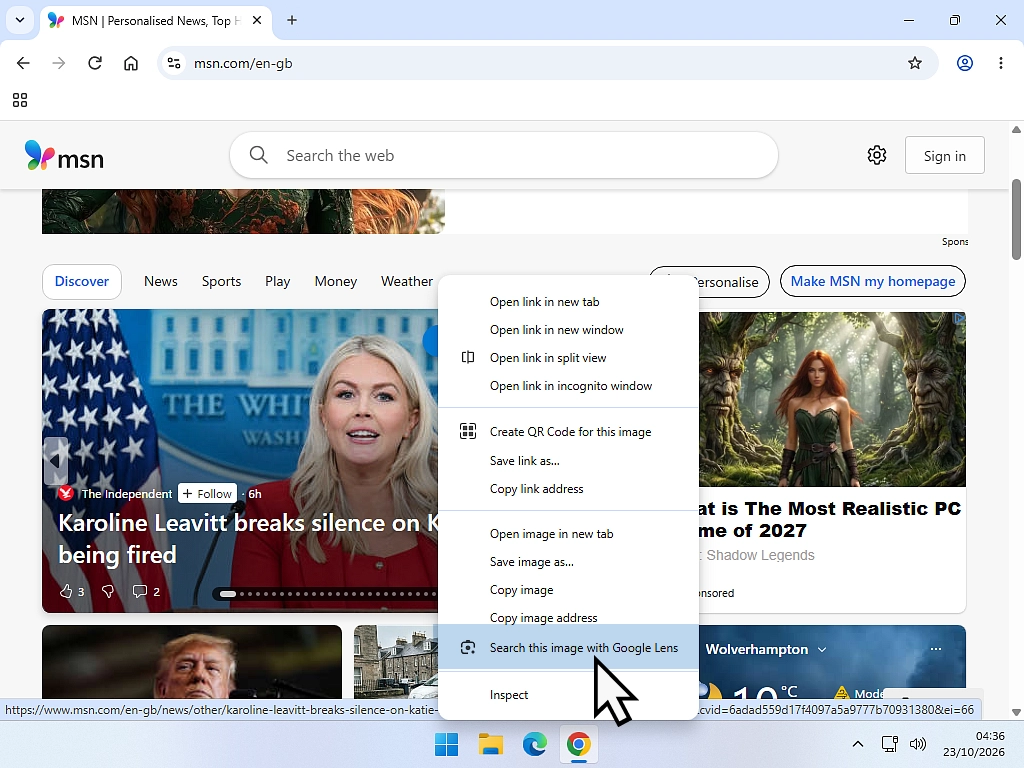
When you’re on the internet and you see an image you want to know more about you can use Google Lens. This is the quickest way if you use Google Chrome. You don’t need to save the picture first.
- Right-click the picture.
- Click Search with Google Lens.
- The results open in a panel on the right of the Chrome window.
- Click any result to open that website in a new tab.
Quick Tip
Want to search just part of a page, such as one face in a group photo? Click the three dots at the top right of Chrome, choose Search this tab with Google Lens, then drag a box around the bit you want.
Search a Picture Saved on Your PC
If the picture is in a folder on your computer, upload it to Google instead. This works in any browser, including Edge and Firefox.
- Go to google.com.
- In the search box, click the Search by image icon. It’s the camera shaped icon at the right hand end.
- Click Upload a file. Or drag the picture from File Explorer and drop it on the box.
- Find your picture, click it once and click Open.
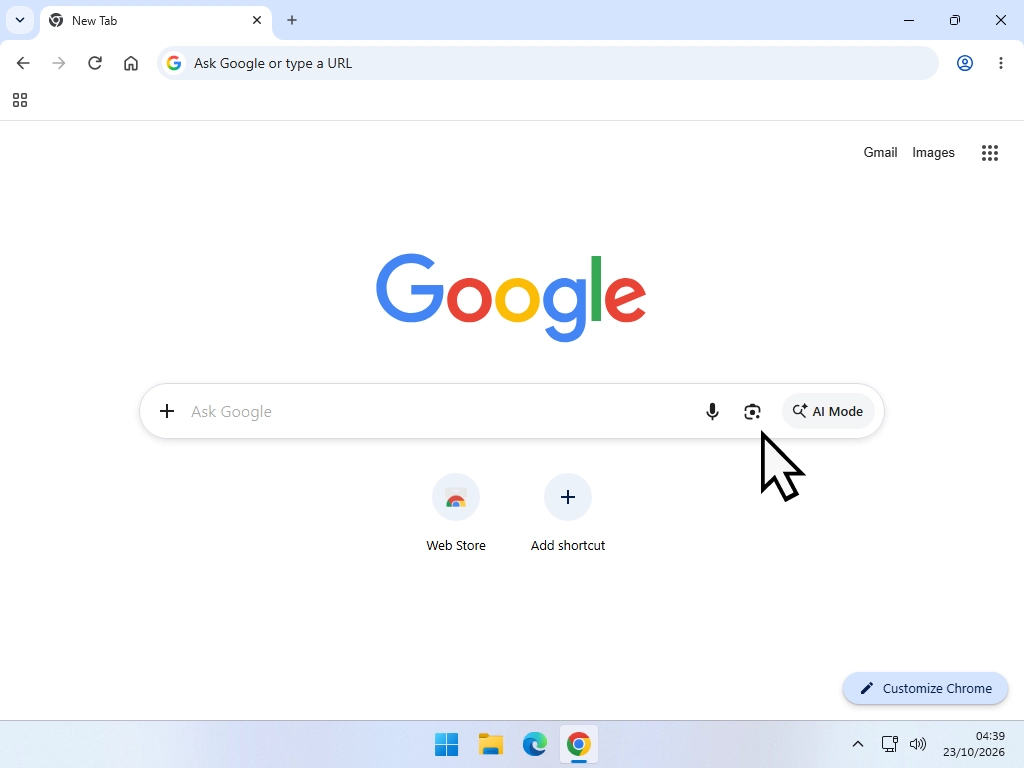
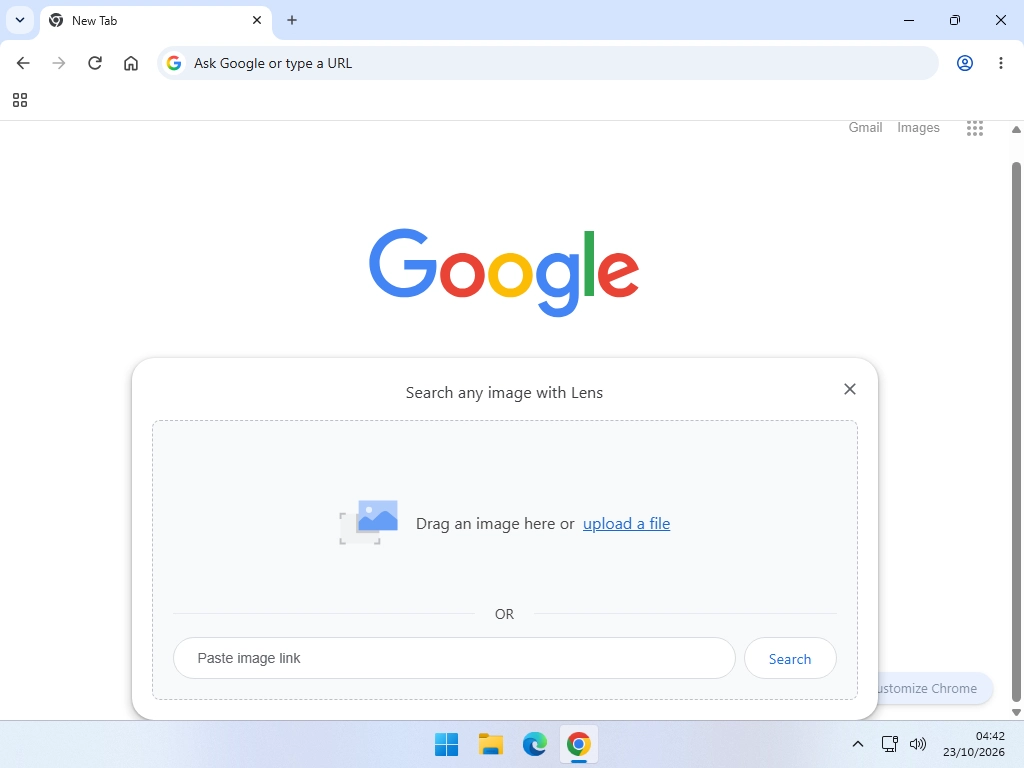

If you can’t save the picture you want to search, take a screenshot of it and search that instead. Here’s how to take a screenshot on a PC. If you’d rather save the picture itself, my guide to downloading from the internet shows you how.
Search With a Picture’s Web Address
Right-click the picture on a website and choose Copy image address. Then, in the Google upload box, paste it into Paste image link and click Search.
Understanding Your Google Lens Results
Google shows your picture at the top, with matches and lookalikes underneath.
- Visual matches are pictures that look like yours. They’re not always the same picture.
- Exact matches shows only the websites using the same picture. This is the one to use when you want to know where a photo came from.
- If Google recognises what’s in the photo, such as a plant or a building, it tells you what it is at the top.
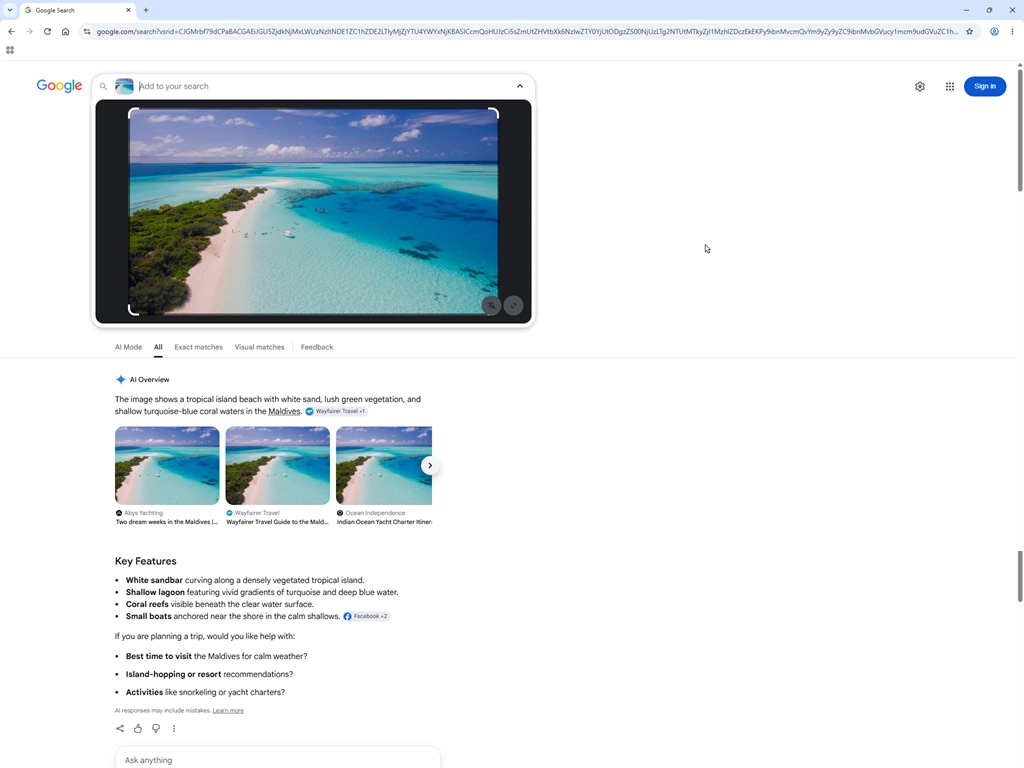
Lens can also pick out the words in a picture so you can copy them. Windows can do that too, without going online: copy text directly from a picture.
How to Do a Reverse Image Search with Bing
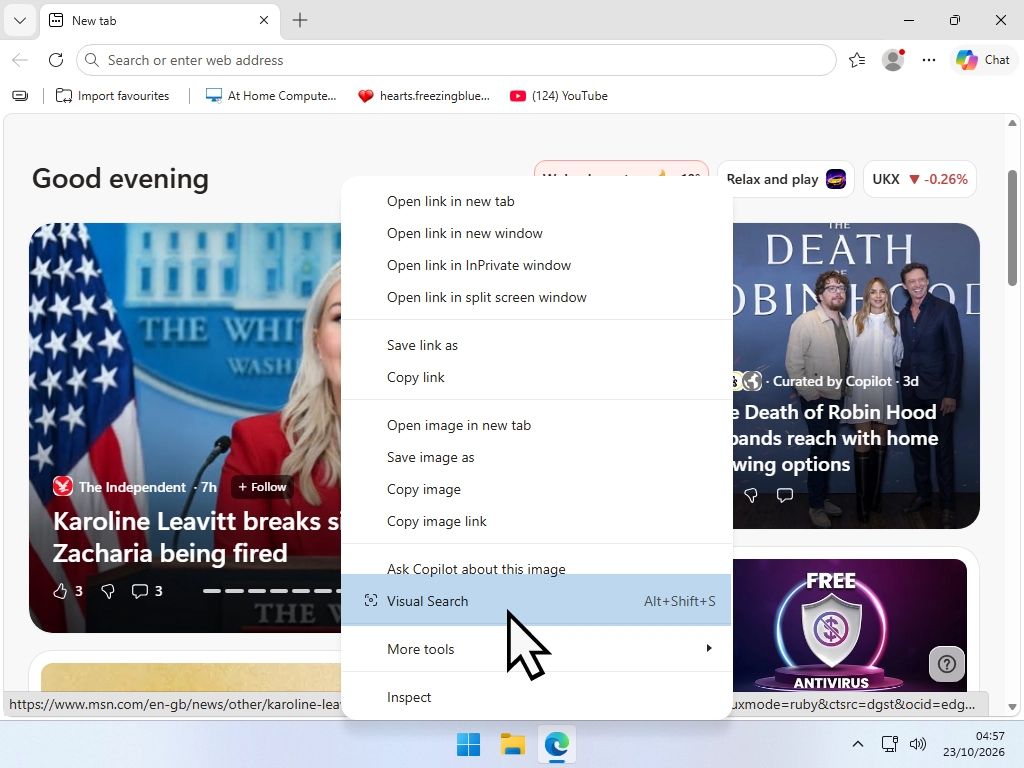
Microsoft calls its reverse image search Bing Visual Search. It’s built into Edge, which is already on every Windows PC.
In Microsoft Edge
When you’re on the internet:
- Right-click the picture.
- Click Visual Search.
- The results open in a panel on the right of the Edge window.
On the Bing Images Website
This works in any browser and with pictures saved on your PC.
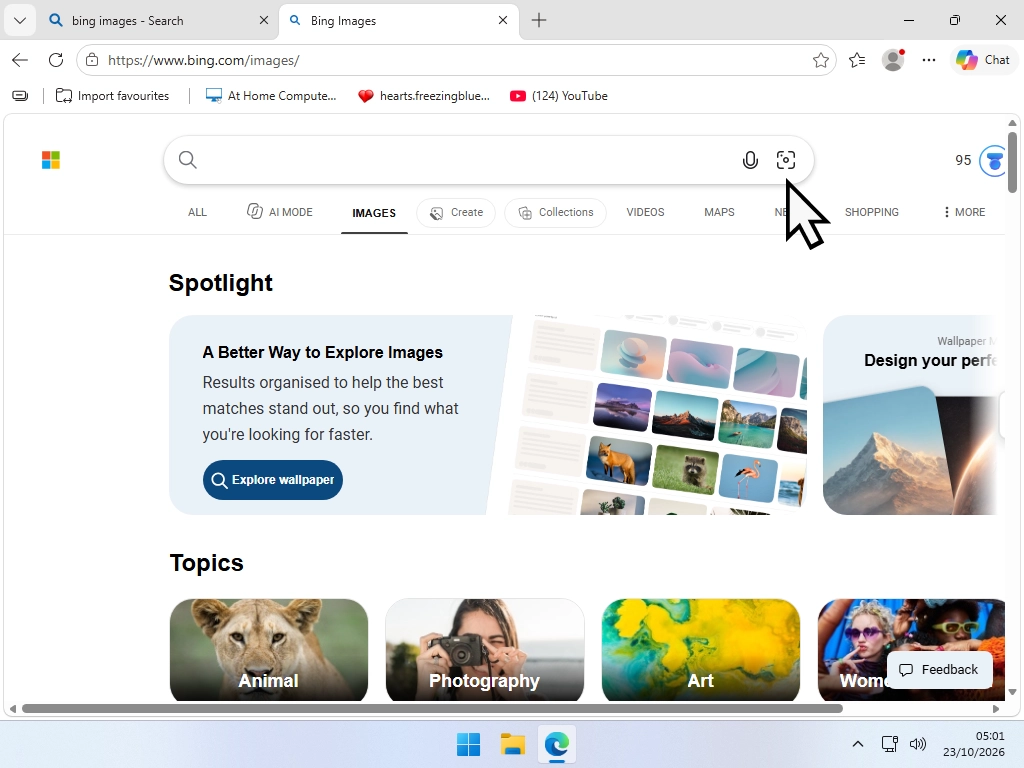
- Go to Bing Images.
- Click the camera icon in the search box.
- Drag your picture onto the box, click browse to find it on your PC, or paste in a picture or its web address.
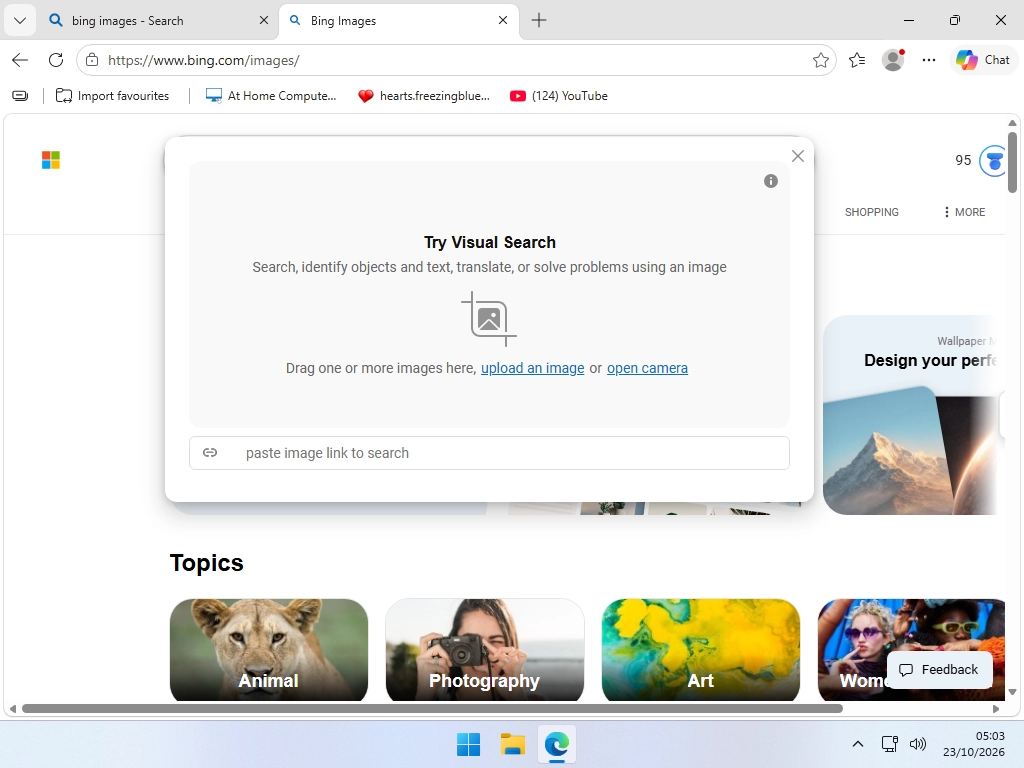
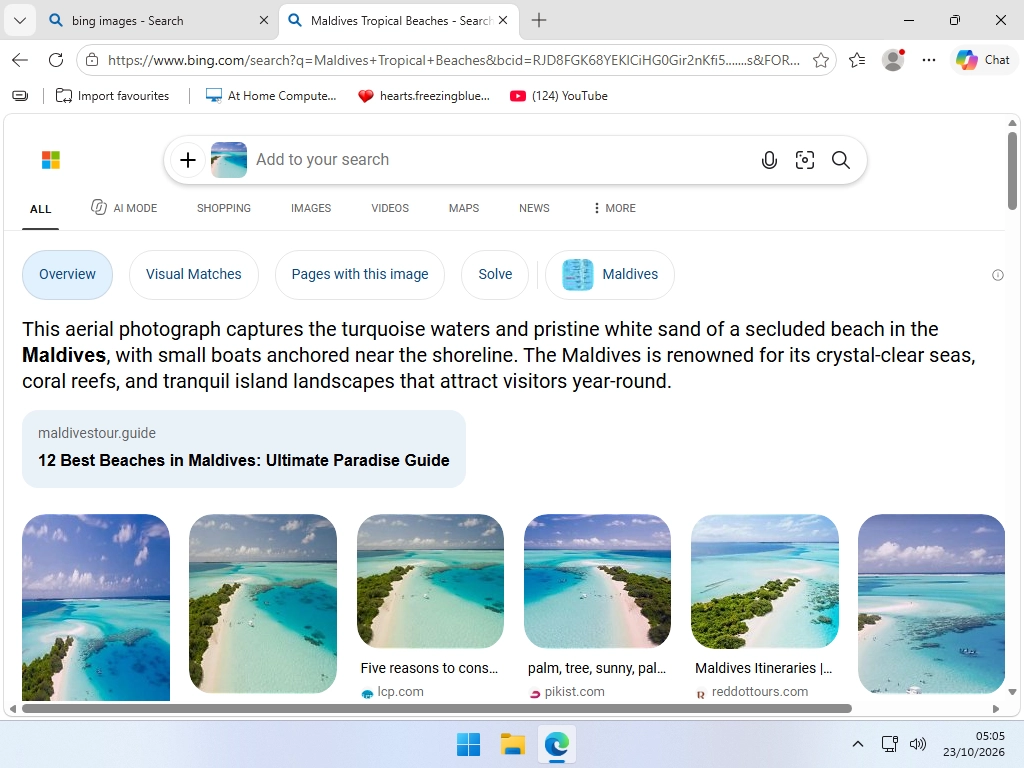
Bing shows your picture with the pages that use it and pictures that look similar. If your PC has a webcam, the camera icon also lets you take a photo of something and search with that.
How to Reverse Image Search with Yandex
Yandex is a Russian search engine, but its image search works in English and it’s very good. It often finds pictures that Google and Bing miss, and it’s especially good at matching faces.
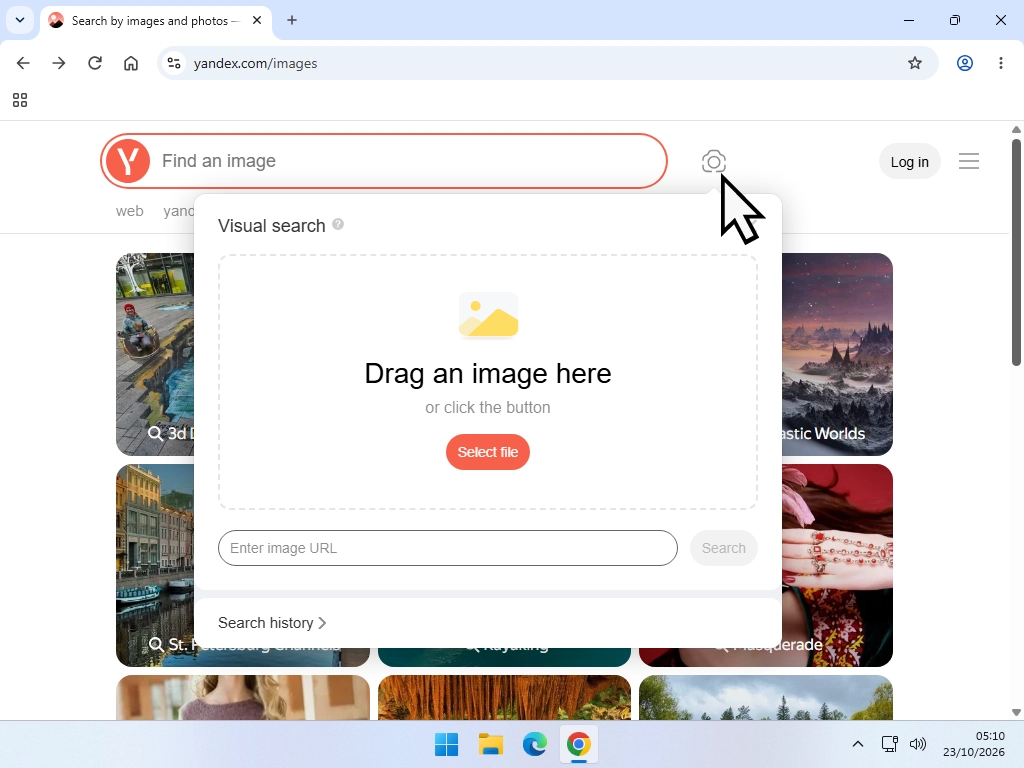
- Go to Yandex Images. Use yandex.com rather than yandex.ru, so the page is in English.
- Click the image search button at the right hand end of the search bar. It looks like a camera.
- Drag your picture onto the box, click Select file to find it on your PC, or paste it in.
- To search with a web address instead, paste the picture’s address into the search bar and click Search.
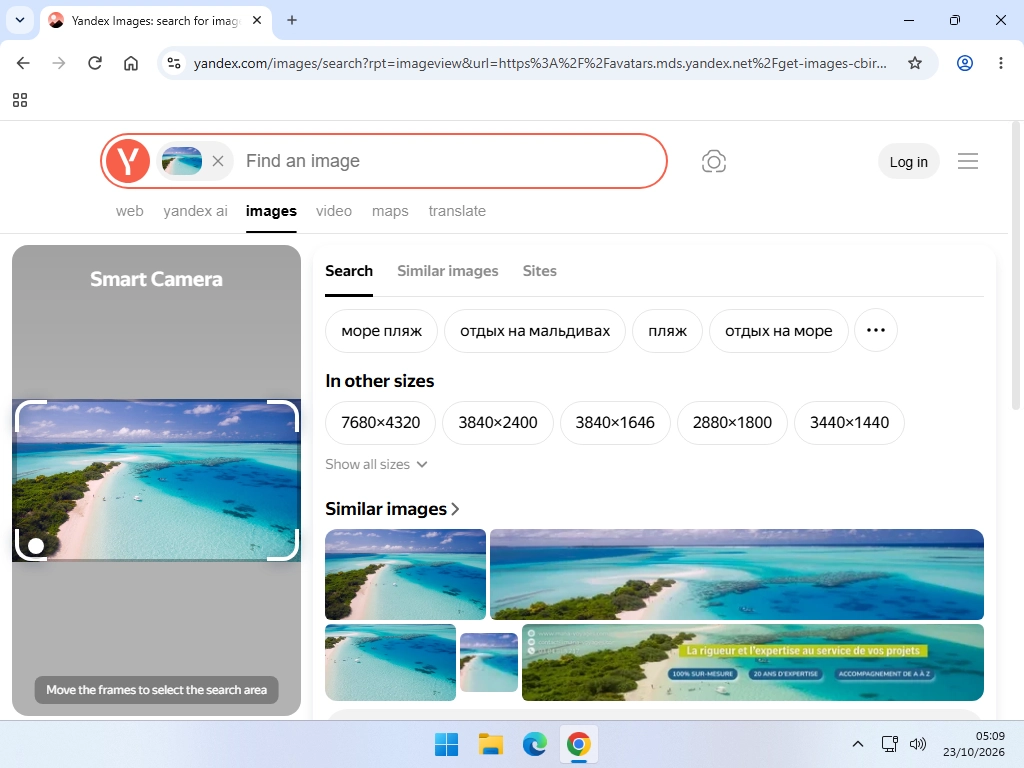
Yandex shows similar pictures, other sizes of the same picture and the websites it appears on. It also tries to tell you what’s in the photo.
Is Yandex Safe to Use?
The website itself is safe to visit. The question is privacy: any picture you upload goes to a Russian company.
My advice is that it’s fine for checking a picture that’s already public, such as a profile photo or a picture that’s doing the rounds on social media. Don’t upload private family photos, pictures of children, or anything showing personal details. That goes for every reverse image search, but more so here. And if you’d rather your searches weren’t kept, here’s how to delete your search history.
How to Use TinEye to Find Where a Photo Came From
TinEye is different from the other three. It doesn’t look for lookalikes or try to work out what’s in a picture. It only finds copies of the same picture, including cropped and edited ones.
Its big advantage is that it can sort the copies by date. That makes it the best tool for finding where a photo first appeared.
- Go to tineye.com.
- Click the upload button and choose your picture, drag it onto the page, or paste its web address into the search box.
- When the results appear, click Sort by and choose Oldest. The copy TinEye found first is now at the top.
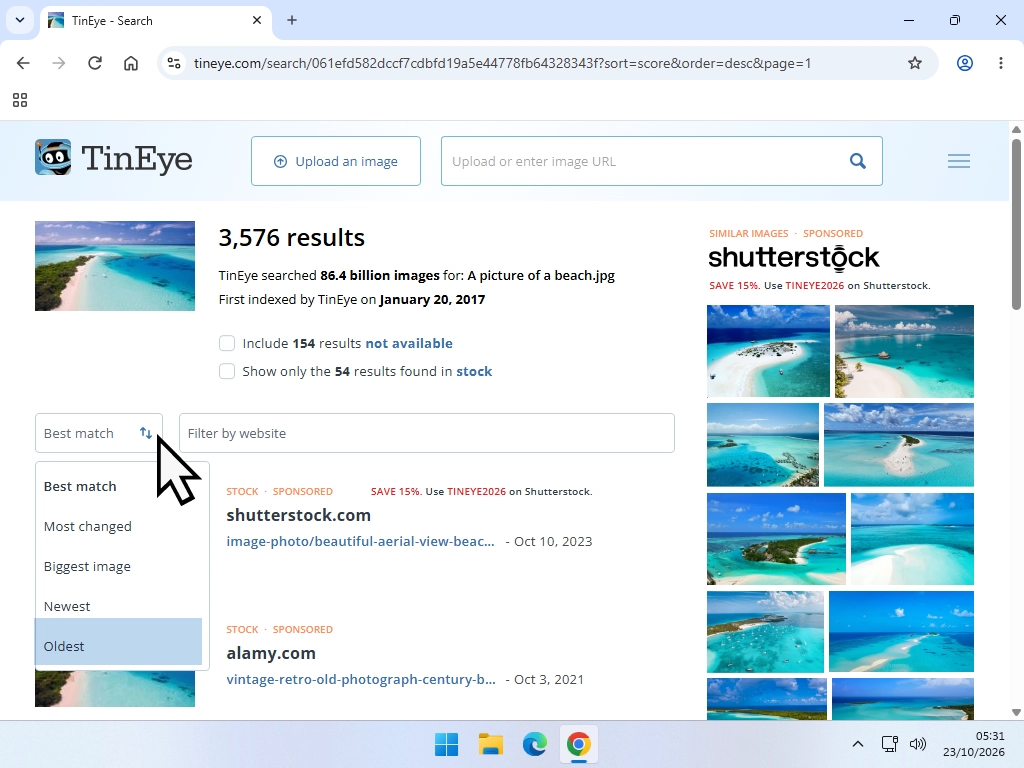
The other sort options are useful too. Biggest image finds the best quality copy, and Most changed shows the copies that have been edited the most.
What People Use a Reverse Image Search For
Find the Source of an Image
Use TinEye sorted by Oldest, then Google Lens with Exact matches. Between them they’ll usually lead you to the photographer or the website that first published it.
Finding It Isn’t Permission
Knowing where a picture came from doesn’t mean you’re free to use it. If you want to put it on your own website or sell something with it, check the owner’s terms or ask them first.
Check if a Profile Picture Is Real
Scammers on dating sites and social media often steal photos of real people. Reverse image search the profile picture. If the same face turns up under different names, on a stock photo site, or on someone’s modelling page, the profile is fake.
Yandex is particularly good at this because it matches faces well. For the warning signs of scam messages, see what phishing is and how to spot it.
Don’t Send Money
If a picture you’ve been sent turns up somewhere else under a different name, stop replying and never send money, however convincing the story.
Tell if a Picture Is Fake or Edited
Find the oldest copy and compare it with the one you’ve been sent. TinEye’s Most changed option puts the heavily edited versions first, which makes the difference easy to spot.
A picture that appears nowhere else at all may be brand new, or it may have been made with AI. That isn’t proof either way, but it’s a good reason to be cautious.
Find Similar Images or Identify Something in a Photo
Google Lens and Bing are the best at this. Search with a photo of a flower, a landmark or a piece of furniture and they’ll tell you what it is, show you similar pictures and often where to buy it.
Can You Reverse Image Search a Person?
You can search with a photo of someone, but don’t expect a name. Google Lens deliberately avoids identifying people from their faces. Yandex will match faces, but only to photos already online.
Use it to check whether a photo is being misused, not to track someone down. Everyone deserves their privacy.
How to Do a Reverse Image Search on Your Phone
Reverse Image Search on an iPhone
- In the Google app: tap the Lens icon (the camera) in the search bar, then choose a photo from your library.
- In Chrome: press and hold the picture, then tap Search image with Google.
Reverse Image Search on an Android Phone
- Circle to Search: with the picture on the screen, press and hold the navigation bar at the bottom (or the Home button), then draw a circle round the picture.
- In Chrome: press and hold the picture, then tap Search image with Google Lens.
On both, you can also open Google Lens and point your camera at something to find out what it is.
Troubleshooting
No Results Found
The picture may simply not be online anywhere. Try these before giving up:
- Crop the picture to the important part, such as one face or one object.
- Use the biggest, clearest copy you have.
- Try a different search engine. Each one has a different collection of pictures.
Search with Google Lens Is Missing in Chrome
Chrome only shows Search with Google Lens when Google is its search engine. If you’ve switched to another one, here’s how to change your default search engine back.
Yandex Is in Russian
You’ve probably landed on yandex.ru. Go to yandex.com/images instead, or change the language at the bottom of the page.
Frequently Asked Questions
Q: Is reverse image search free?
A: Yes. Google Lens, Bing Visual Search, Yandex and TinEye are all free to use.
Q: Which reverse image search is best?
A: Google Lens is the best all-rounder. Use Yandex for faces and pictures Google can’t find, and TinEye to find where a photo first appeared.
Q: How do I reverse image search on a PC?
A: In Chrome, right-click the picture and choose Search with Google Lens. For a picture saved on your PC, go to google.com, click the Search by image icon and upload it.
Q: How do I find the original source of an image?
A: Search it on TinEye and sort the results by Oldest, then check Google Lens with Exact matches.
Q: Can someone see that I reverse image searched their picture?
A: No. The person who posted the picture isn’t told.
Q: Can I reverse image search a screenshot?
A: Yes. Save the screenshot and upload it like any other picture. Cropping it to the important part helps.
Q: Can you reverse image search a video?
A: Not directly. Pause the video, take a screenshot of a clear frame and search that instead.
Q: Is Yandex safe to use?
A: The site is safe to visit, but pictures you upload go to a Russian company, so don’t upload private or personal photos.
Summary
A reverse image search lets you search the internet with a picture instead of words. On a PC the quickest way is to right-click the picture: Search with Google Lens in Chrome, or Visual Search in Edge.
Start with Google Lens, try Bing and Yandex when it comes up short, and use TinEye when you want to know where a photo first appeared. They’re all free, and they’re a great way to spot a fake profile before it costs you anything.
Related Guides
How to Copy Text From a Picture in Windows 11 and 10
How to Save a Web Page as a PDF in Chrome, Edge or Firefox
What Is Phishing? How to Spot a Phishing Email
Save a Web Page as a PDF
Want to keep a copy of an order confirmation, a booking or a recipe?

Save any web page as a PDF in Chrome, Edge or Firefox. It’s free, and there’s no converter to install.
You can find this and other related step by step guides in – At Home Computer Google Chrome Guides
Written by Jeff Porter. I’ve been fixing Windows PCs since 2010 and I’m CompTIA Network+ certified. More about me