Step-by-Step Windows Computer Guides for Beginners
At Home Computer Guides cuts through the jargon with plain-English, step-by-step guides for home PC users. Whether you’re just getting started with Windows or want to get more out of your computer, you’ll find the help you need right here – free, no sign-up required.
What’s New for 2026
The world of home computing keeps changing, and these guides are kept up to date to match. Whether Microsoft has tweaked a setting, changed an interface, or introduced a new feature, you’ll find current, accurate instructions here.
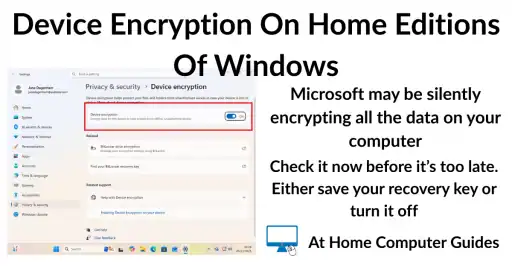
If you’re running Windows 11 Home edition, one guide worth reading straight away is the Device Encryption guide – it covers an important security feature that’s turned on by default and could affect your files if your PC ever needs to be reset or repaired.
How to Sync and Back Up Files on Your Home PC
File syncing simply means keeping the same files on more than one device – so a photo you load onto your desktop PC also appears on your laptop automatically. It’s one of the most useful things you can set up on a home computer.
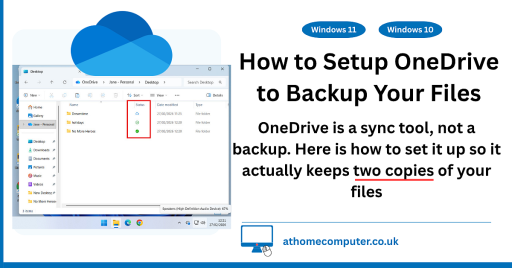
OneDrive (built into Windows) and Google Drive for Desktop both sync files to the cloud, giving you access from any device you’re signed into. They’re convenient — but there’s an important catch. OneDrive in particular is often described as a backup tool, but it isn’t. It’s a sync tool, which means if you accidentally delete a file on one device, it disappears everywhere. For a true local backup solution, FreeFileSync is a free program worth knowing about.
Internet Help for Home Computer Users
For most of us, the internet is the main reason we use a computer at all. These guides cover everything from the basics of browsing safely to understanding privacy tools like VPNs – explained in plain English, no technical background needed.
Email Help – From the Basics to Common Problems
Email is at the heart of modern life – from online shopping confirmations to GP appointments, most of us couldn’t manage without it. But email can feel confusing, especially when things go wrong.
These guides cover Gmail, Outlook and Yahoo Mail, and walk you through everything from sending your first email to managing spam, printing messages, handling attachments, and organising your inbox with folders. If email has ever left you scratching your head, these guides will help.
Playing and Managing Music on Your Windows PC
Your Windows PC is perfectly capable of playing, organising and even ripping music from CDs. These guides cover Windows Media Player, MP3 management, fixing missing track information, and how to burn music to disc – useful if you still enjoy physical media or want your music library offline and on your own terms.
Virtual Machines Explained – Run Any Windows on Your New PC
A virtual machine (VM) is software that runs a second computer inside your existing one. Think of it as a “computer within a computer” – it has its own operating system and its own programs, completely separate from your main Windows installation.
This means you can run old software that only works on Windows XP or 7, try out a new operating system without touching your main PC, or safely test things in an isolated environment. Virtual machines are free to create and surprisingly straightforward to set up – these guides walk you through the whole process from scratch.
Windows Tips and How-To Guides for Everyday Problems
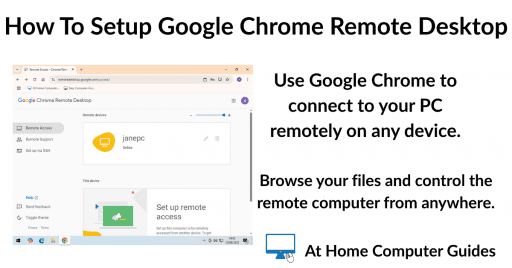
Sometimes a computer does something unexpected and you just need a clear answer. These guides tackle the everyday questions and occasional head-scratchers that crop up when you use a Windows PC. Everything from installing a fresh copy of Windows to accessing your PC remotely from another device.
Free Beginner’s Computer Course – Learn Windows at Your Own Pace
New to computers, or just looking to build confidence using them? The At Home Computer Basic Course covers all the fundamentals of using a Windows PC – from moving the mouse and using a keyboard to copying files and organising your desktop.
It’s completely free, there’s no sign-up, and you can work through it at whatever pace suits you. It’s designed specifically for people who feel unsure about computers and want a patient, step-by-step introduction.
Frequently Asked Questions
Q: Which version of Windows do the guides cover?
A: Most guides cover Windows 10 and Windows 11, with notes where the steps differ between versions. A small number of older guides also cover Windows 7 for users running it inside a virtual machine.
Q: Are the guides suitable for complete beginners?
A: Yes. The guides are written specifically for people who are new to computers or don’t consider themselves technical. Every step is explained clearly, with screenshots where helpful.
Q: Do I need to create an account or pay anything?
A: No — every guide on At Home Computer is completely free to read, and there’s no sign-up or registration required.
Q: Can I use these guides on a tablet or phone?
A: You can read the guides on any device, but most of the instructions are written for Windows desktop and laptop computers. The steps described won’t apply directly to tablets or phones.
Q: How often are the guides updated?
A: Guides are reviewed and updated regularly — especially when Microsoft releases significant changes to Windows 10 or Windows 11. The 2026 update pass has refreshed the most popular guides to reflect the current Windows interface.