
Is Windows Media Player missing from your PC? While Microsoft has introduced a modern “Media Player” app, many users still prefer the classic, reliable Windows Media Player Legacy (WMP 12) for its advanced library management, MIDI support, and superior CD ripping capabilities.
Fortunately, the legacy version isn’t gone, it’s just hidden as an “Optional Feature.” In this guide I’ll show you how to access the Windows Media Player Legacy download direct from Microsoft in both Windows 10 and Windows 11.
I’ll also show you how to get Windows Media Player Legacy on Windows N editions.
How to Install Windows Media Player Legacy on Windows 10
WMP is now an “optional feature” on most updated versions of Windows 10. But it’s easy to restore it. All you have to do is place a check mark in the relevant box to download Windows Media Player legacy from Microsoft.
To install Windows Media Player on Windows 10, click the Start button and then type “turn windows features on or off“
Click on Turn Windows features on or off (Control Panel).
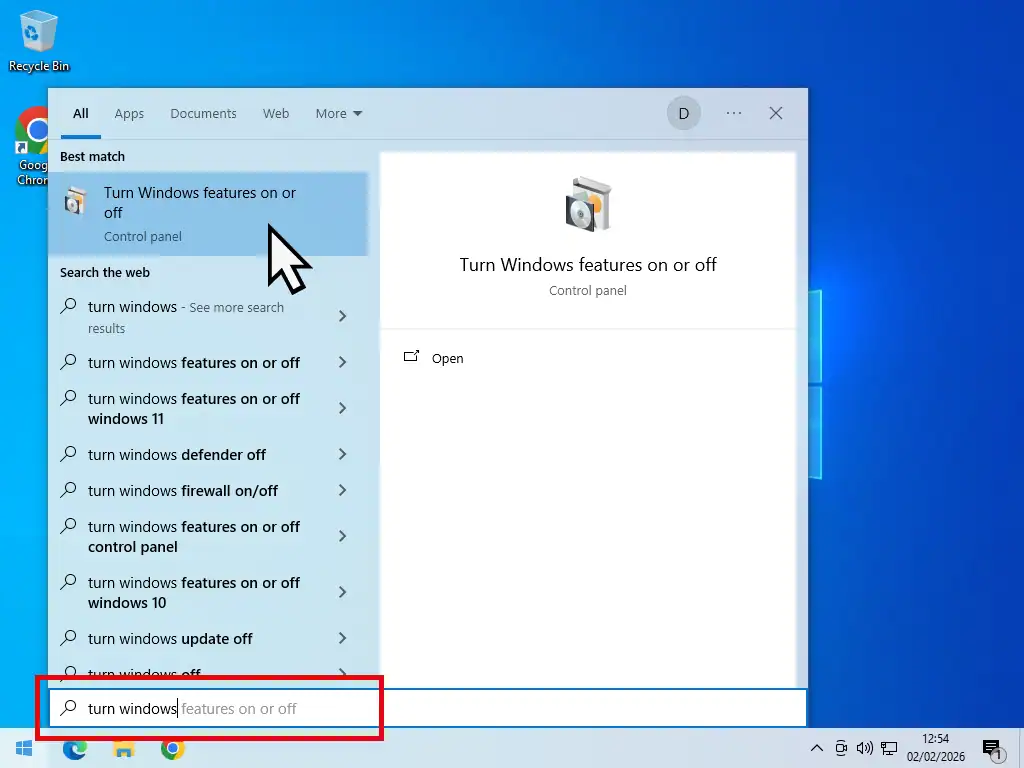
Windows 10 Media Features
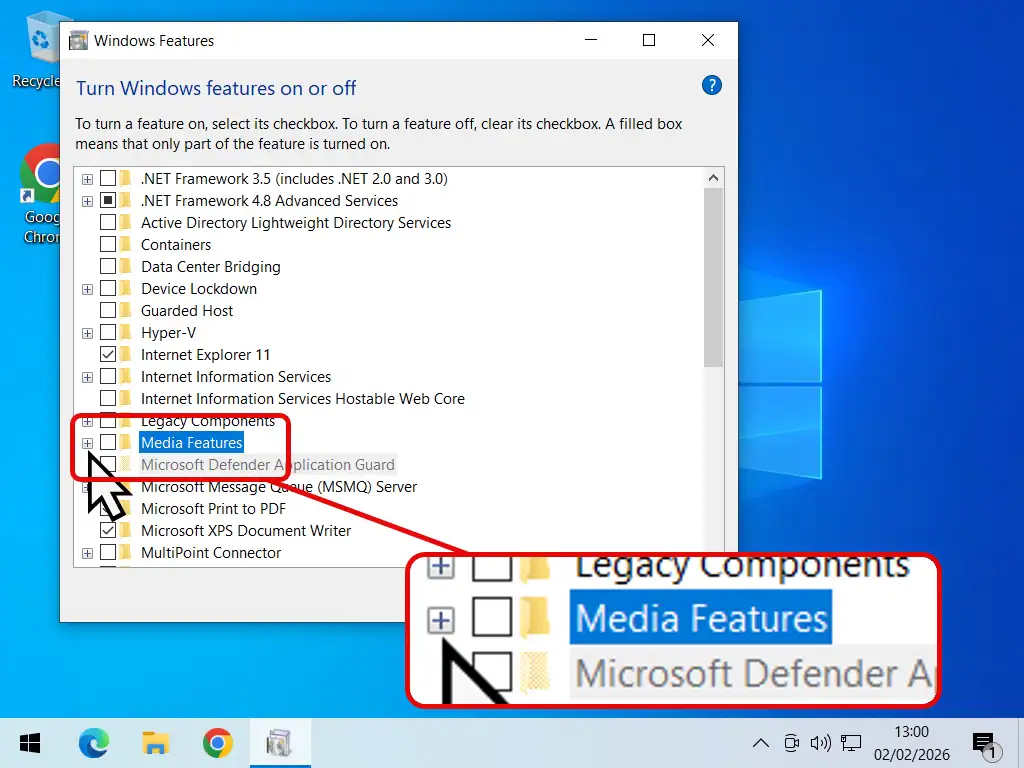
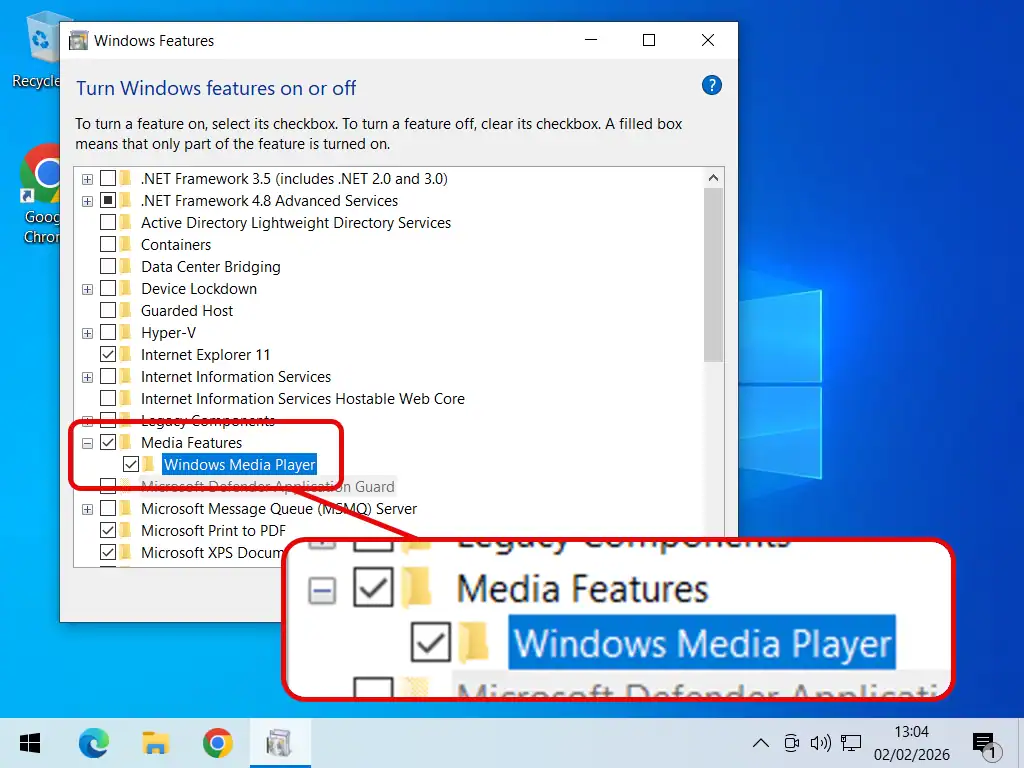
On the Windows 10 Features popup, scroll down to Media Features and click the small plus (+) sign to expand it. Click in the box beside Windows Media Player to select it and then click the OK button.
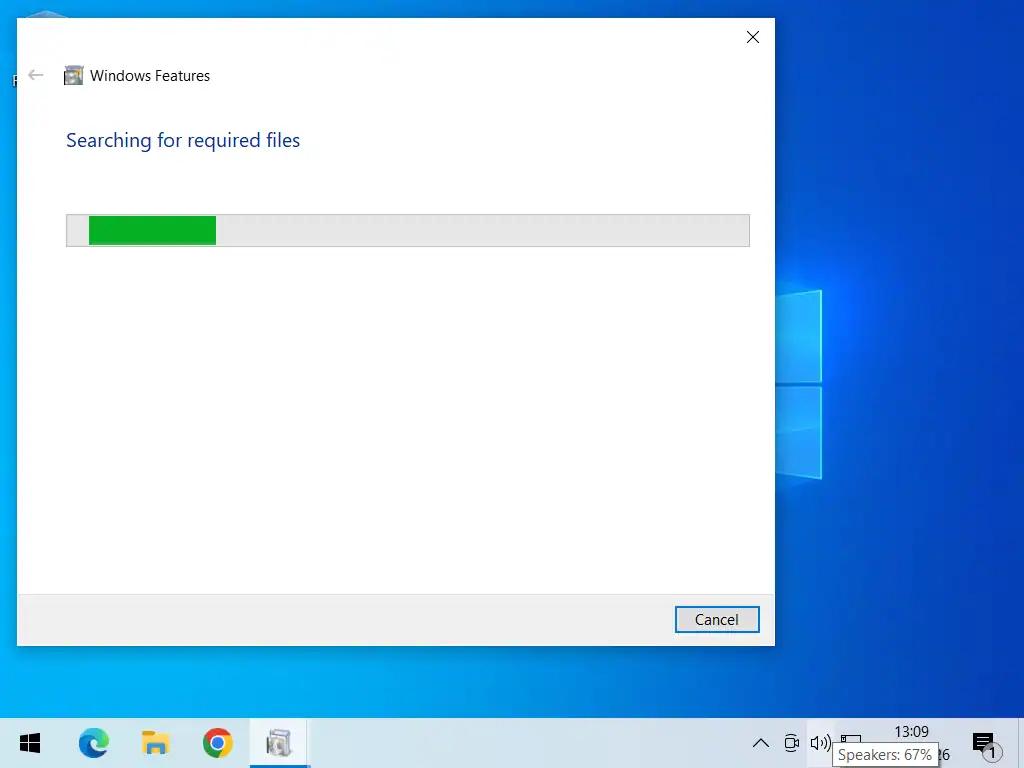
Windows will search for the required files, if they’re not already on your computer they’ll be downloaded direct from Microsoft. Allow the installation to complete and close the open windows.
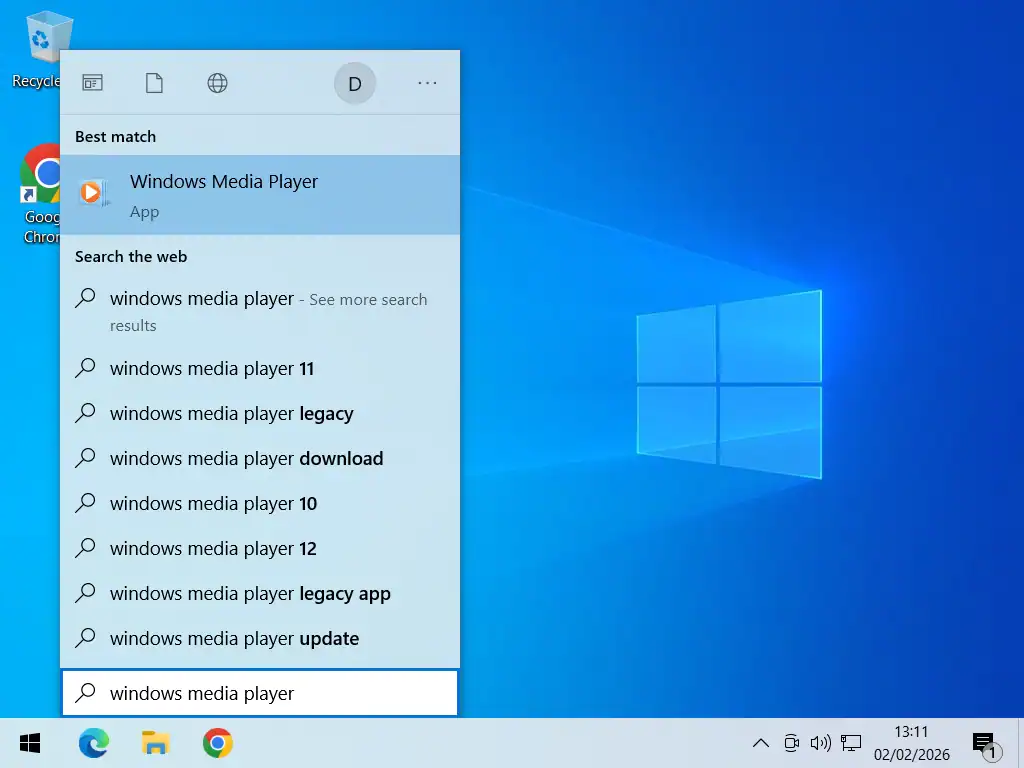
Click the start button and search for Windows Media Player. You should find that it’s been restored to your PC. If not then you might need to do a restart.
Quick Tip – Now that you’ve got WMP installed you can pin it to the Start menu for quick access.
How to Install Windows Media Player on Windows 11
If you’re using Windows 11, the process of downloading and installing Windows Media Player is slightly different.
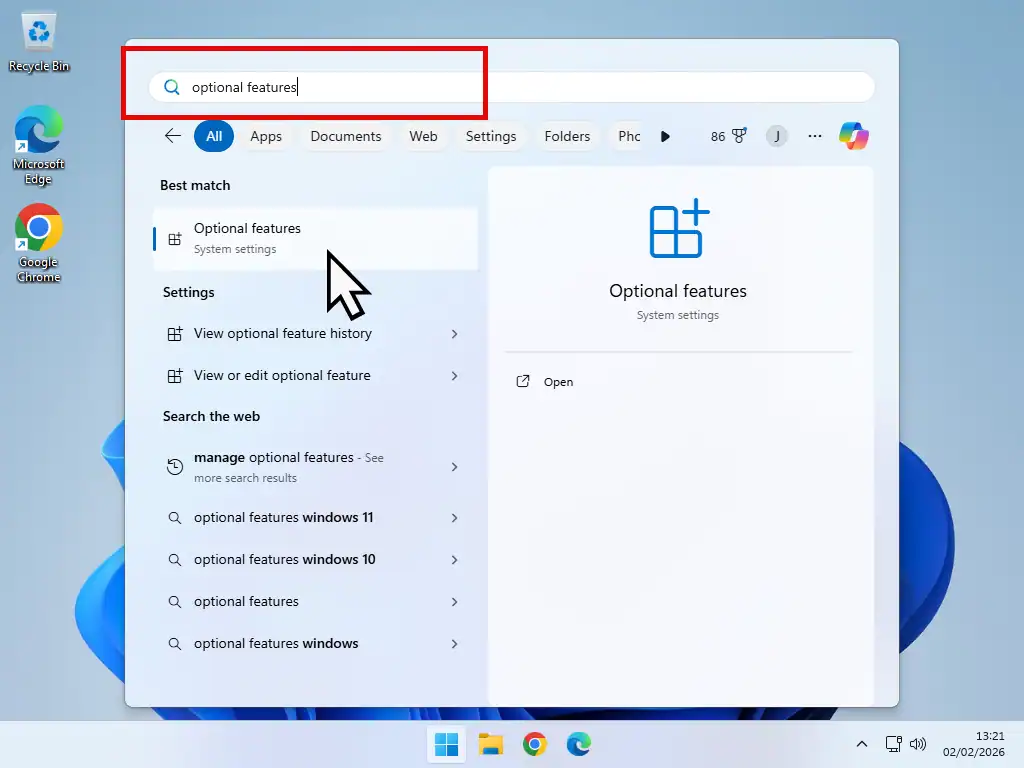
Click the Start button and then type “optional features“. Click on Optional Features (system settings) in the search results.
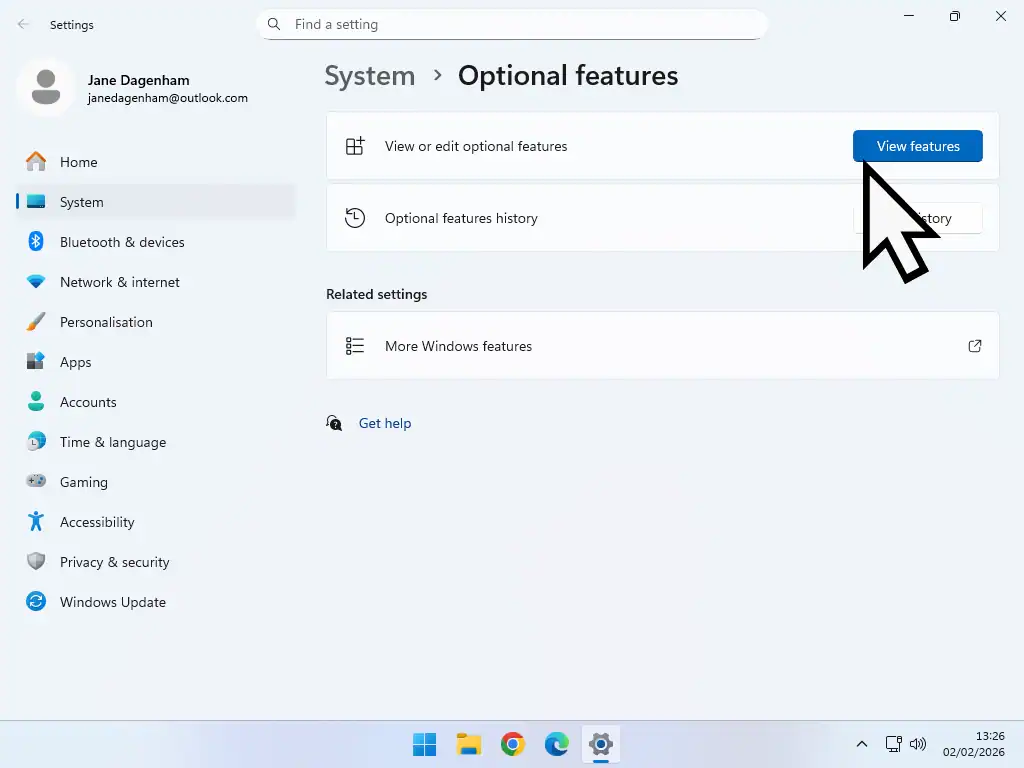
When the Optional Feature screen appears, click the View Features button.
Windows Media Player Legacy Download and Install
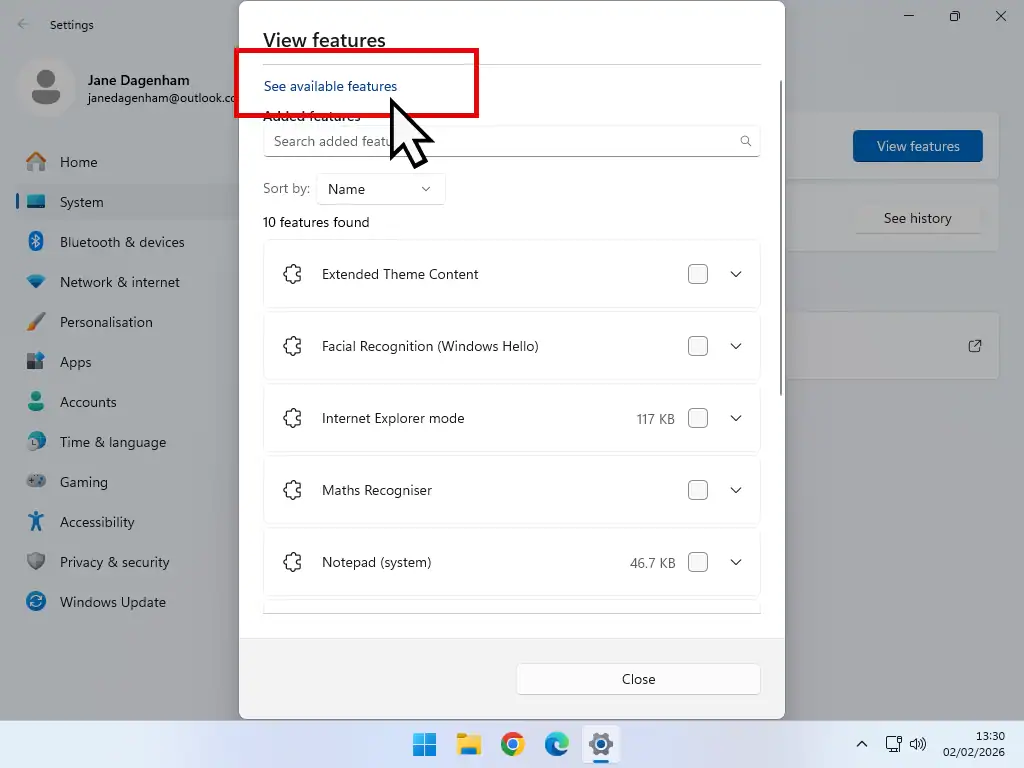
The Windows 11 View Features list will appear.
- Click See Available Features, which is right at the top of the popup window
- The Features list will reload and show an extended list. Scroll down the list and select Windows Media Player Legacy (App), then click the Add button. Note that the list is in alphabetical order so WMP will be very near the bottom.
- Windows 11 will start downloading and installing Windows Media Player. It may take some time depending on your internet speed.
- When the installation is complete, click the close button.
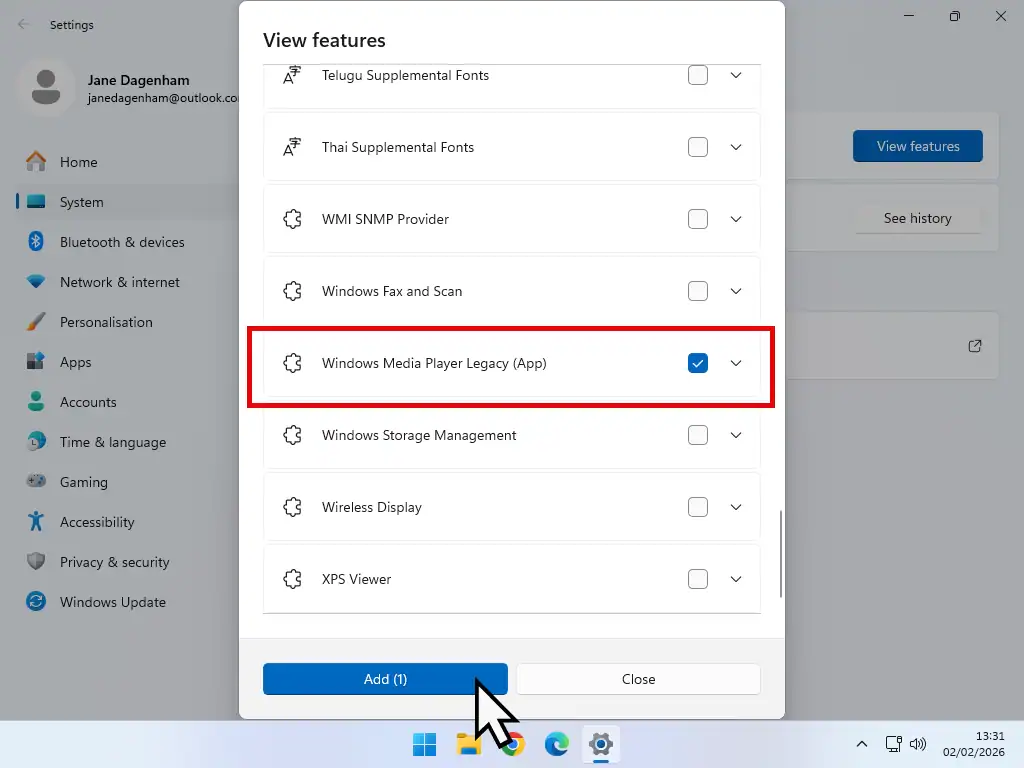
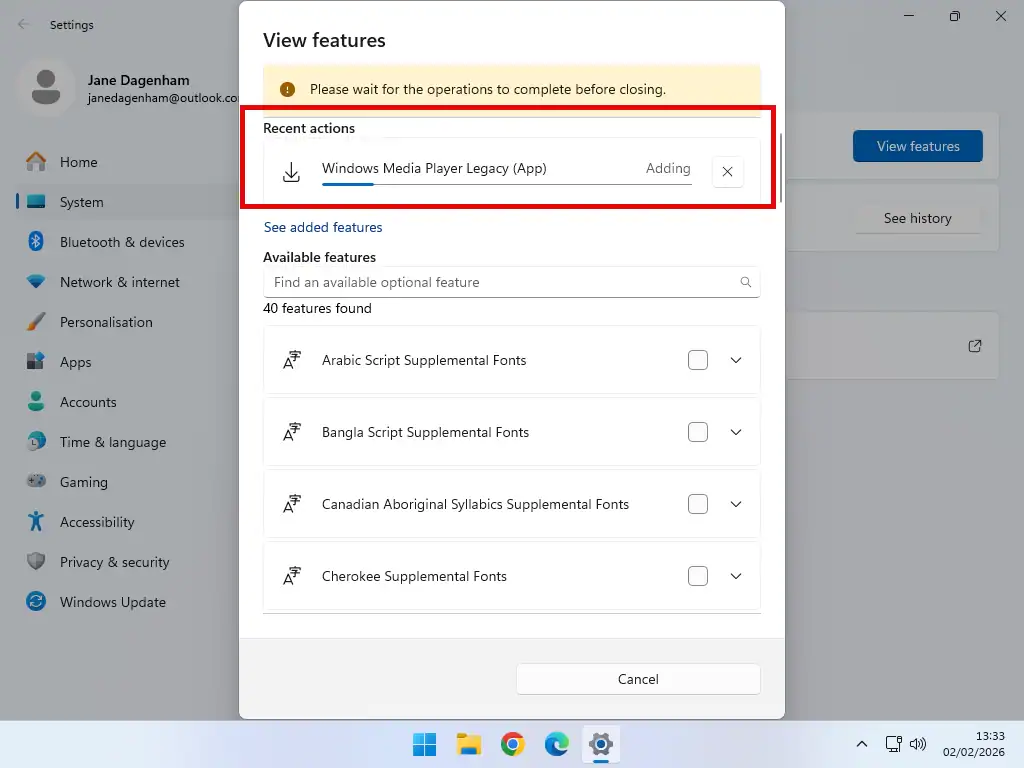
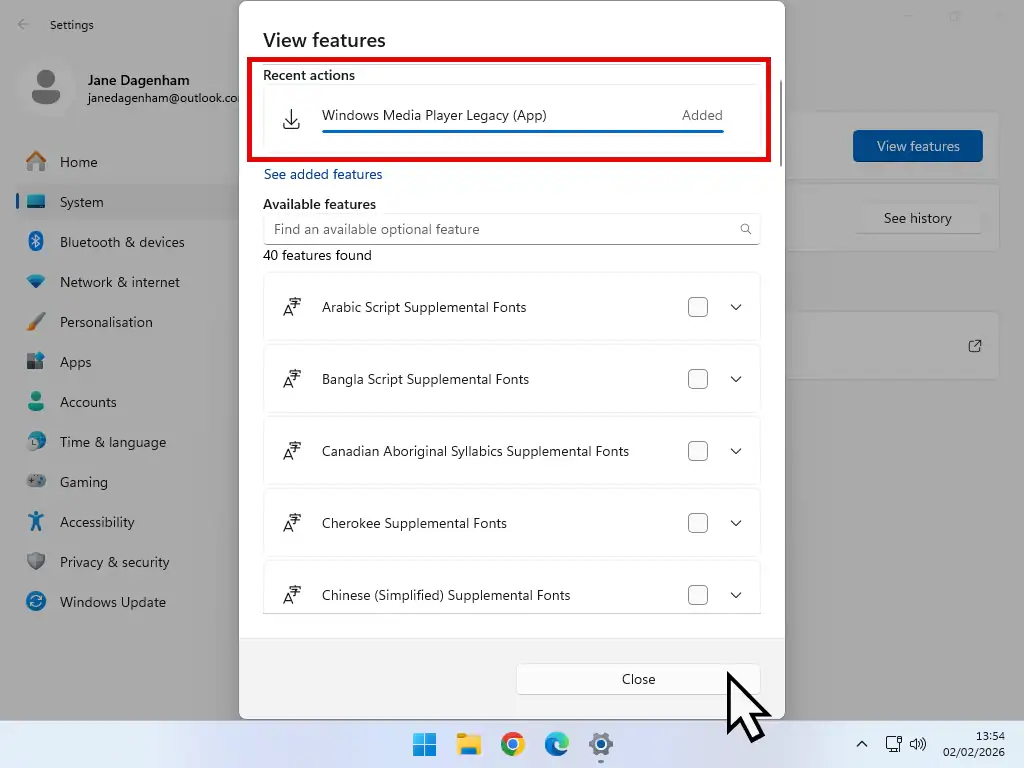
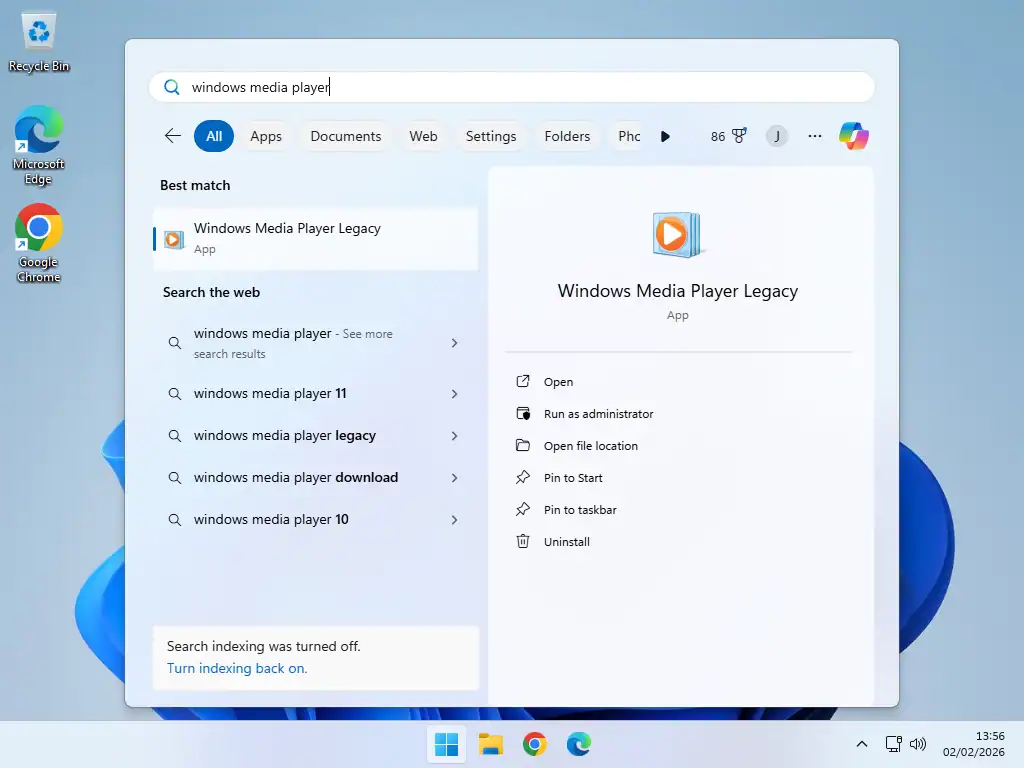
Windows Media player legacy is now ready to be used. Simply search for it in the search box.
If it doesn’t appear, then restart your computer and try again.
Pin it to your taskbar for quick access.
Windows Media Player on “N” Editions Of Windows
If you have a Windows 10 N or Windows 11 N you’ll need to install the Media Features Pack first before you can download and install Windows Media Player.
N editions of both Windows 10 and Windows 11 are special editions that have had all the media playing capabilities removed.
Please note that you must install the Media Features Pack first. If you’ve followed the guides above and Windows Media Player is still missing, then you’ll need to go back and remove it as an optional feature (just follow the guides but deselect it). Then install the Media Features Pack. Now you’ll be able to add it as an optional feature.
To Install Windows Media Player on Windows 10 N Edition
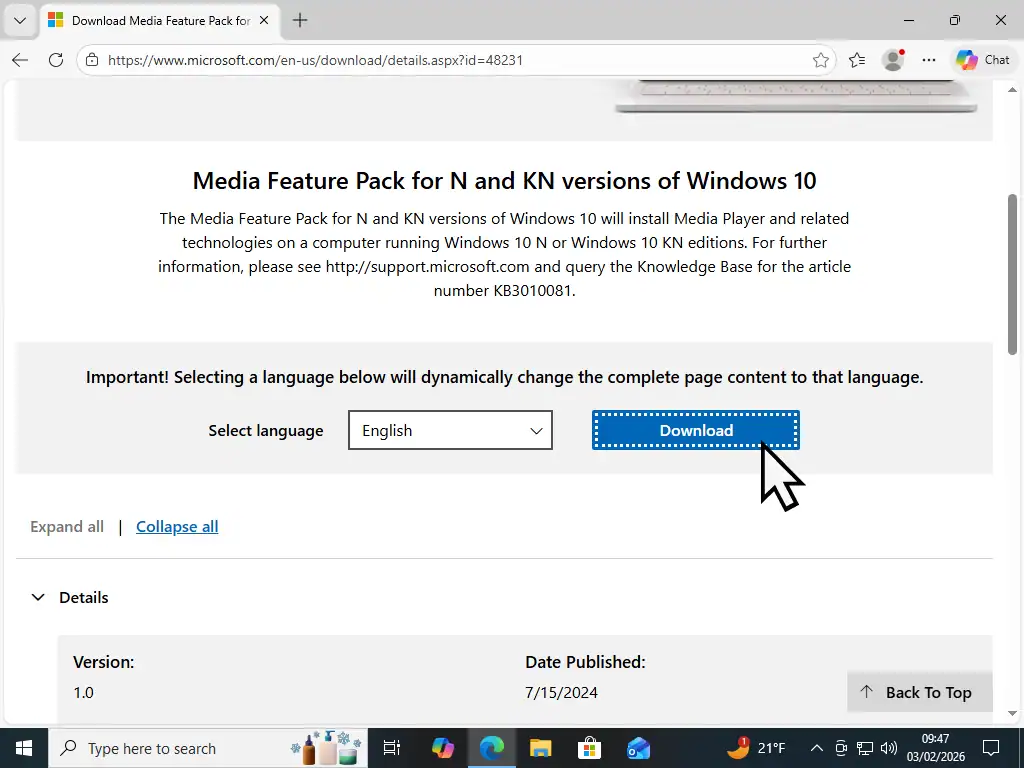
In order to download Windows Media Player for Windows 10 N you’ll need to first install the Media Features Pack. Click the link below to get it direct from Microsoft.
https://www.microsoft.com/en-us/download/details.aspx?id=48231
- Click the Download button
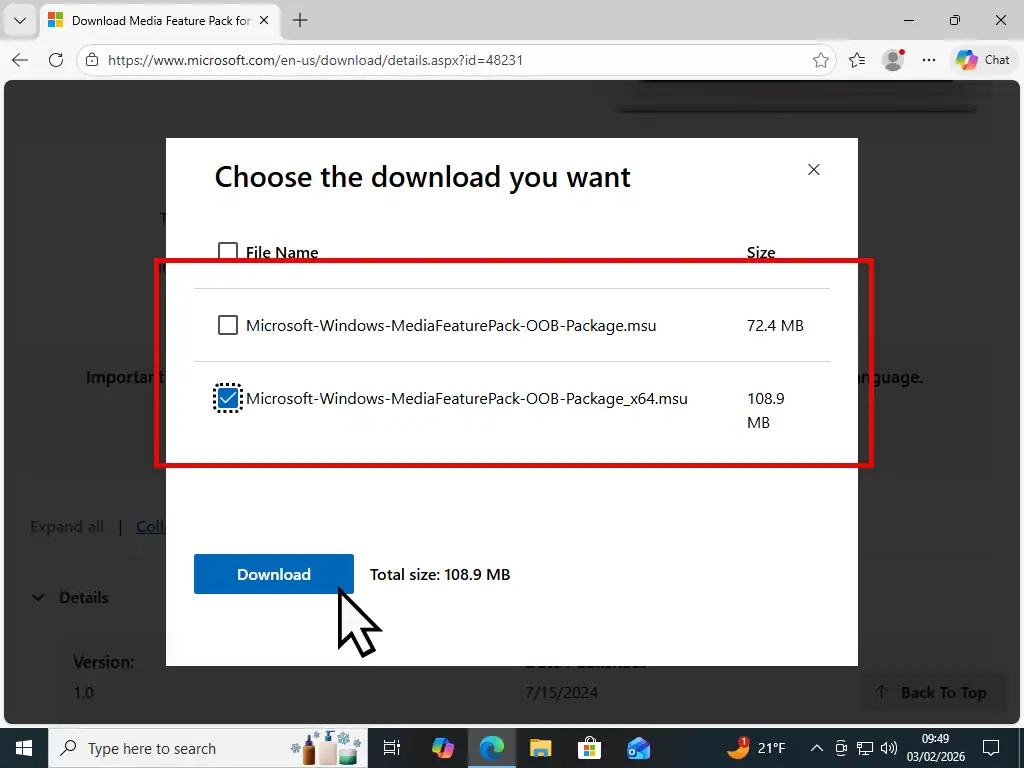
- Select either the 32 bit or 64 bit version. If you’re not sure then opt for the 64 bit version.
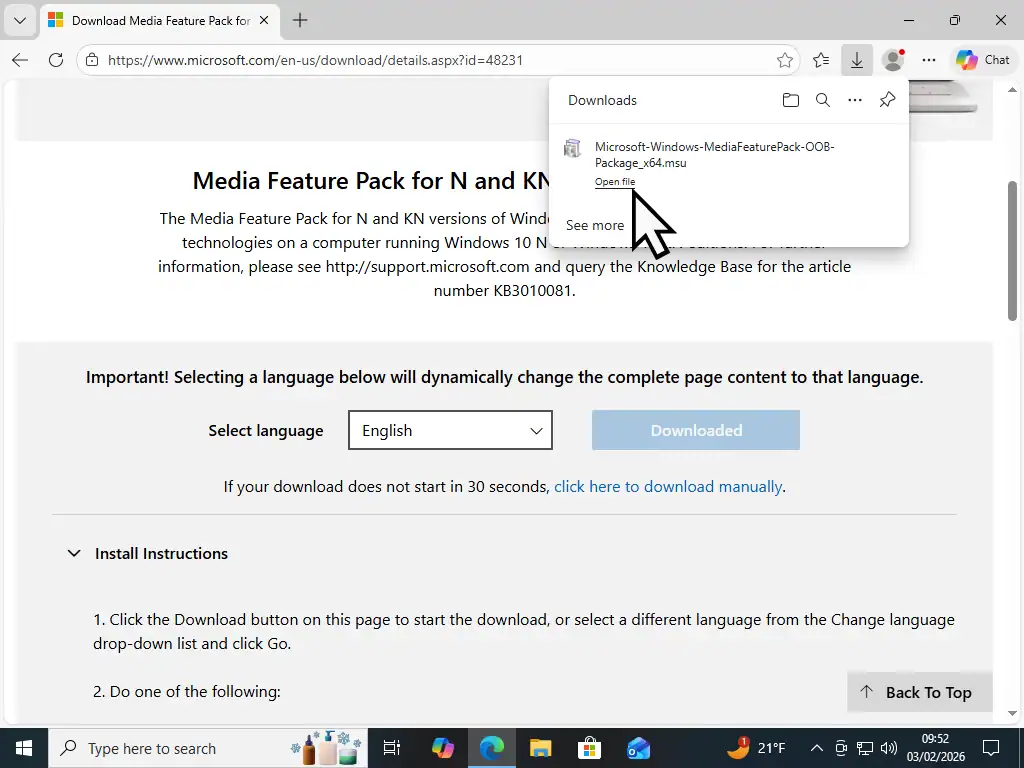
- Run the setup and install the Media Features Pack.
After the Media Features Pack has been installed on your computer you can add Windows Media Player Legacy as an optional feature –
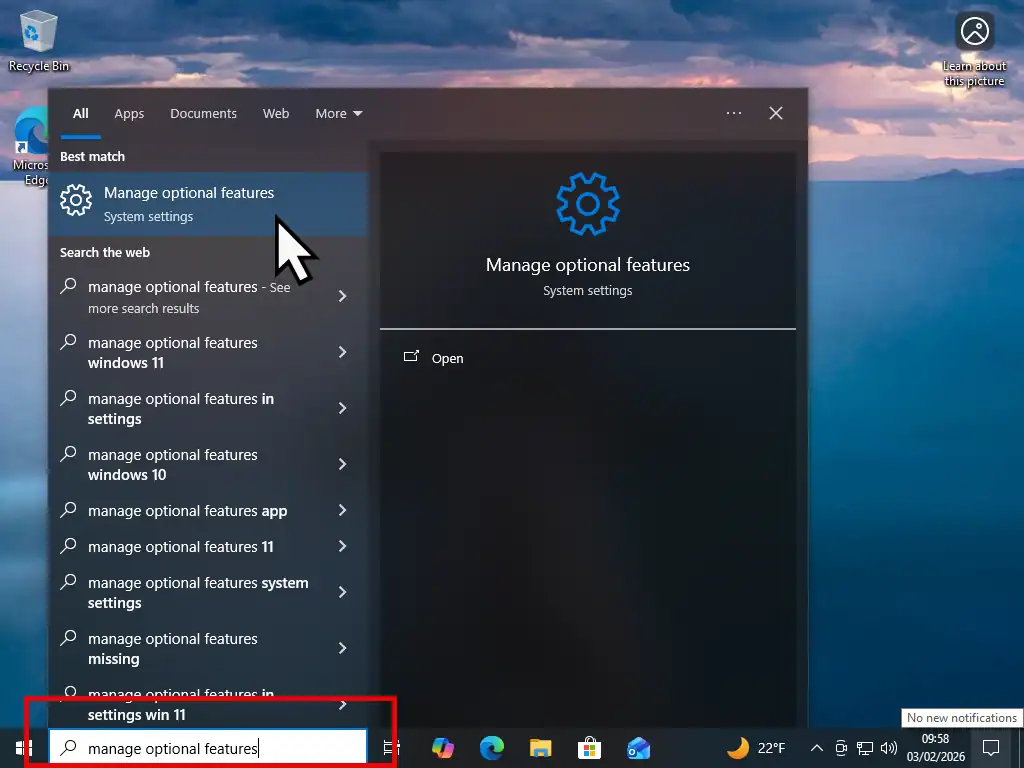
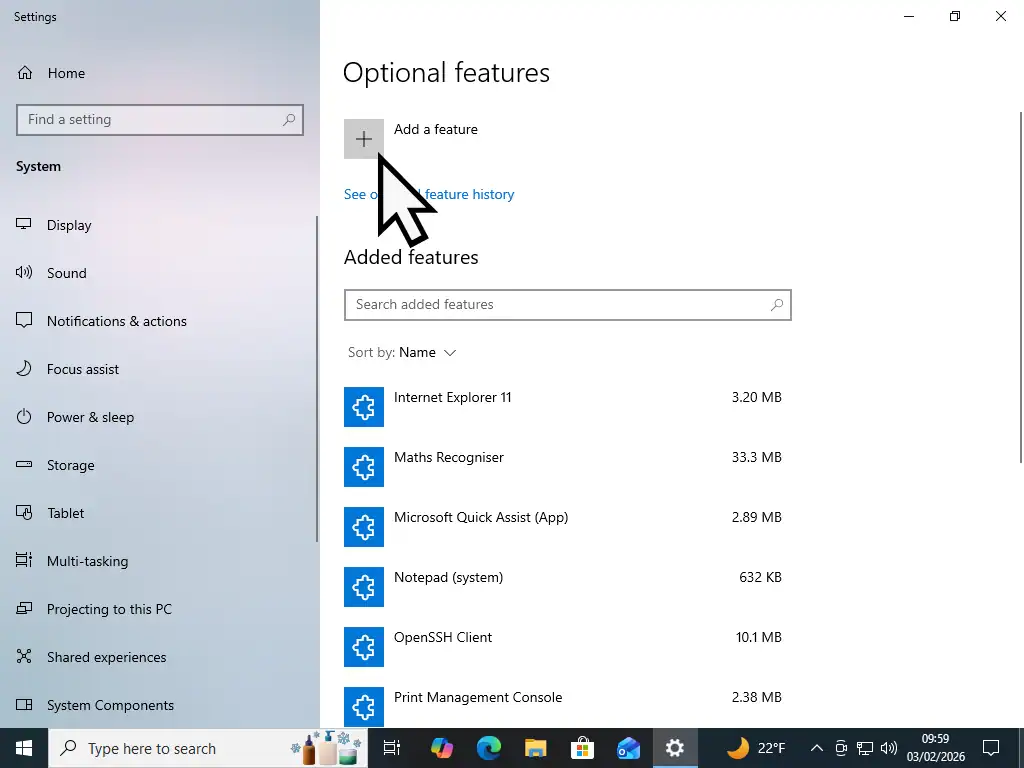
- Click the Start button and search for “manage optional features”
- On the Optional Features screen, click Add A Feature
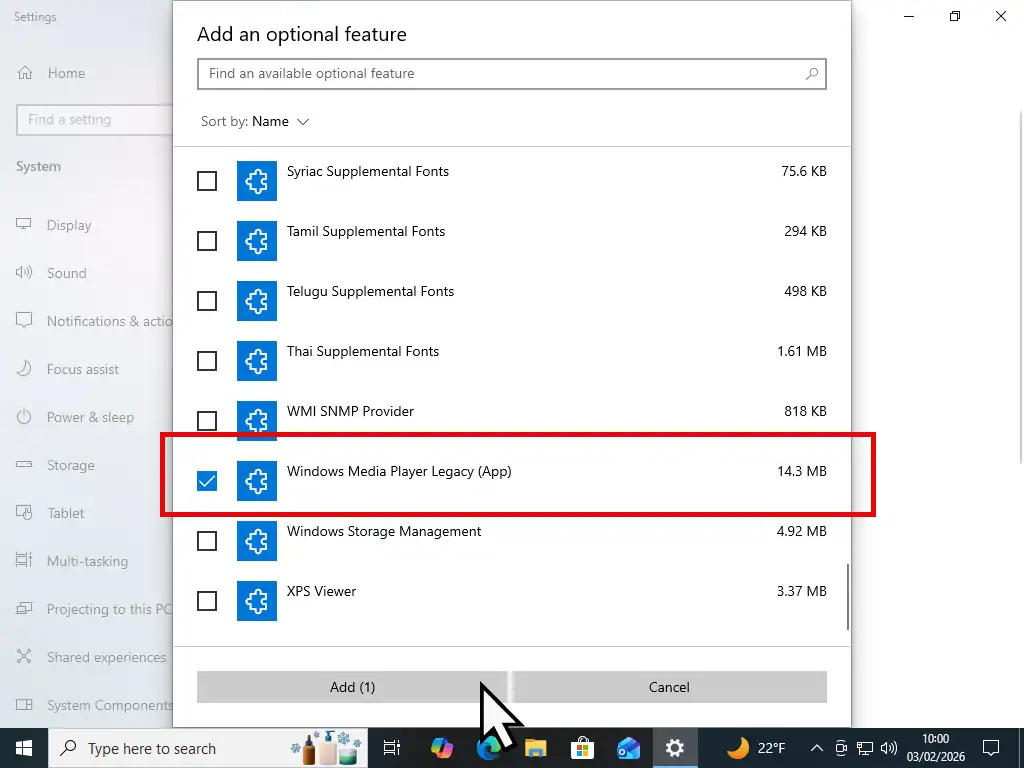
- Scroll down the list to Windows Media Player Legacy (App) and select it. Click the Add button
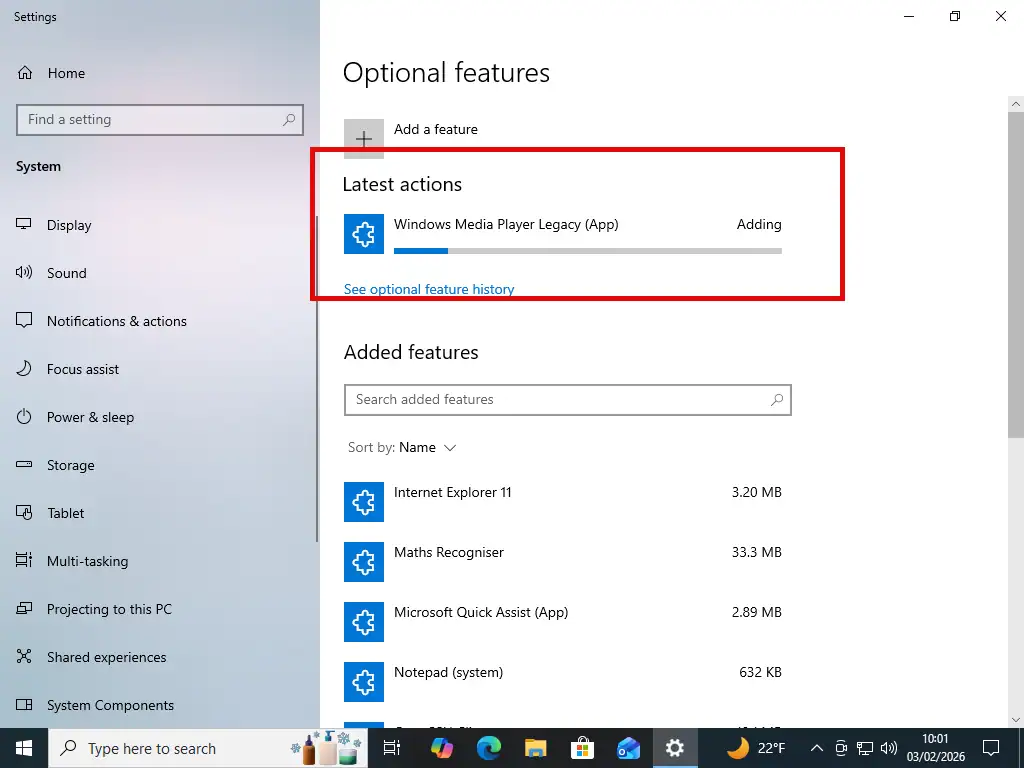
- Windows will download and install Windows Media Player. Once it’s finished you should have WMP setup and ready to go.
To Install Windows Media Player on Windows 11 N Edition
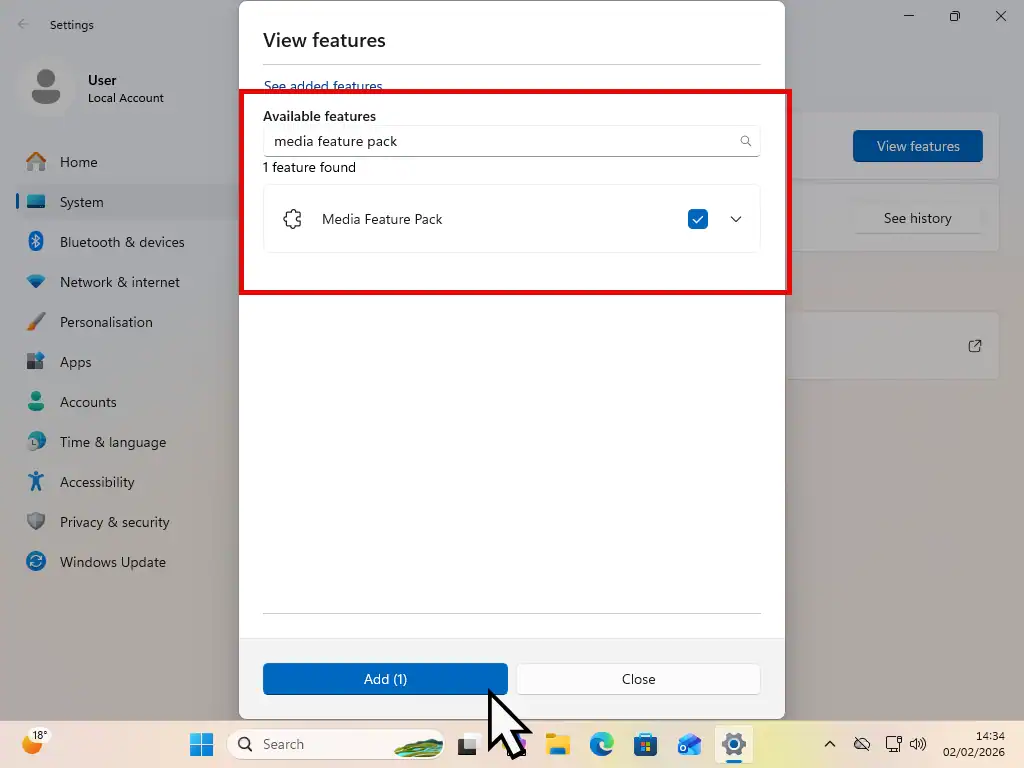
Open the Optional Features screen and click the View Features button. Then click See Available Features (as above).
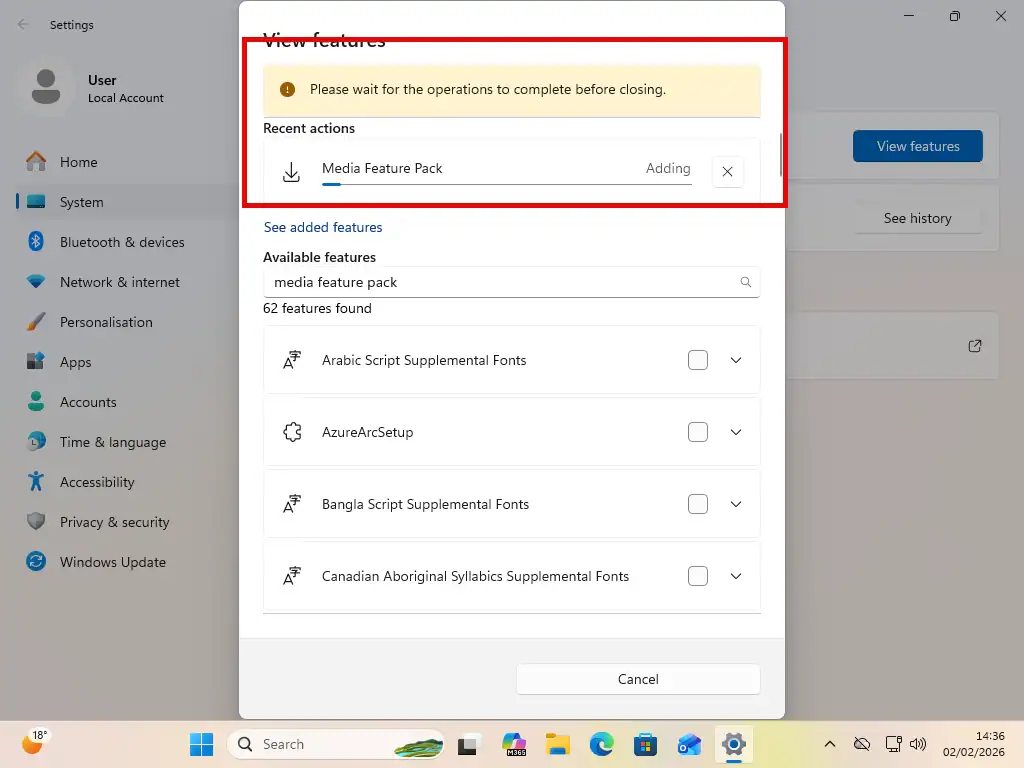
- In the search box type Media Features Pack. Select it and then click the Add button.
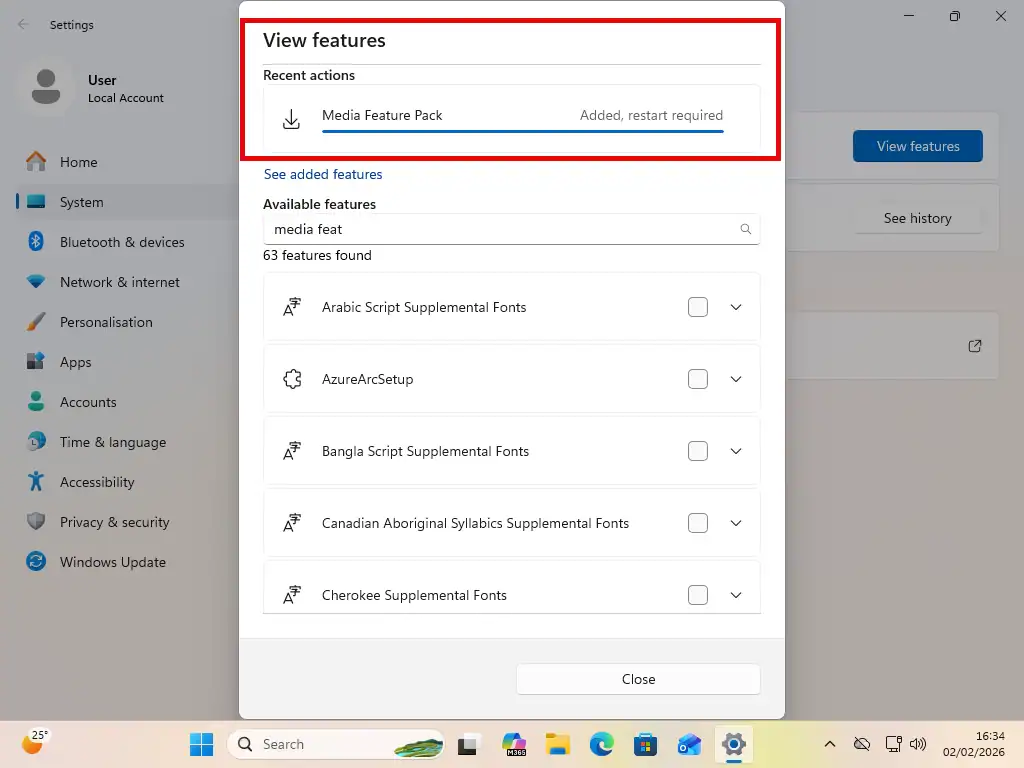
- Windows 11 will download and install it for you.
- When the installation is complete, restart your PC
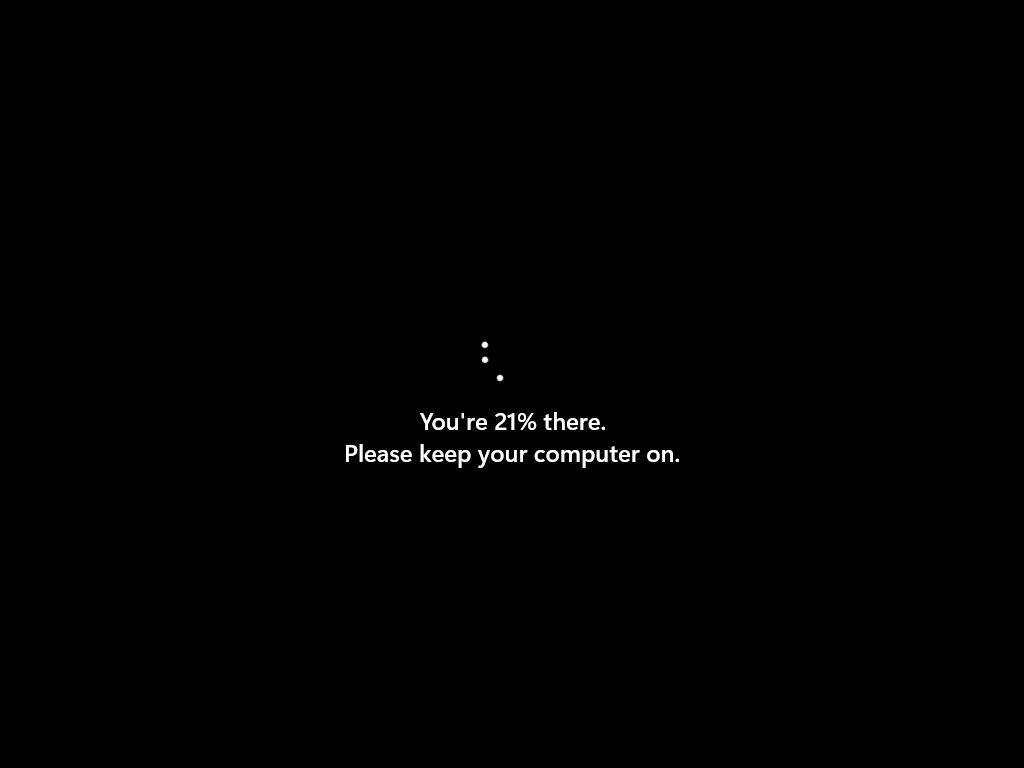
- You’ll see that the Media Features Pack is added as an update to Windows 11 N during the restart.
Once your computer has rebooted you can add Windows Media Player as an optional feature (see above).
Summary
Microsoft loves to push the new “Media Player” app at you and while it has improved over the years, for me at least, WMP legacy is just better.
Some More Useful Step by Step Guides
How to Install and Use Windows Fax and Scan in Windows 10 and 11
Better than most modern scanner apps that you get bundled with your device.
Explaining The Different Windows User Accounts.
Admin, Standard, Microsoft and Local. What are they and how do they work?
The Windows Recycle Bin Icon Is Missing.
It happens. Sometimes the Recycle Bin just seems to disappear from your desktop.
How to Remove DRM from WMA Files
CDs ripped with Windows Media Player Legacy may have DRM (Digital Rights Management) attached to them, making them pretty much useless.
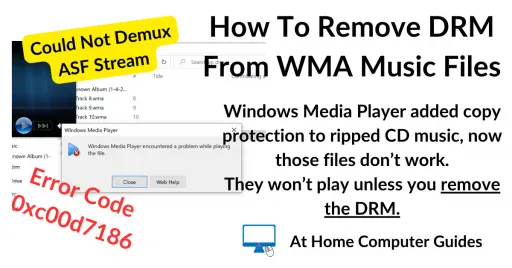
Microsoft has released an app that will remove the DRM from your old music files ripped in the Windows Media Audio (WMA) format.
You can find this and other related step by step guides in – At Home Computer Audio and Video Guides