
If your scanner came with clunky software that asks you to create an account just to scan a letter, you’ll be glad to know Windows has a free built-in alternative. It’s called Windows Fax and Scan, and it works quietly with almost any scanner or multifunction printer — no sign-ups, no subscriptions, no fuss.
This guide shows you how to install Windows Fax and Scan on both Windows 10 and Windows 11, how to scan a document with it, how to save your scan as a PDF, and what to do if things don’t go to plan.
Table of contents
What Is Windows Fax and Scan?
Windows Fax and Scan is a free scanning and faxing application built into Windows. It was introduced back in Windows Vista and has been part of Windows ever since — though it is no longer installed by default. Instead, it’s available as an optional feature that you can add to your PC in a couple of minutes.
Despite its age, it still works reliably with modern scanners and all-in-one printers. It lets you:
- Scan documents and photos directly to your computer
- Choose your scan resolution, colour mode, and file format (JPEG, PNG, TIFF, BMP)
- Preview a scan before saving
- Email scanned files directly from within the app
- Send and receive faxes (if you have a fax modem connected to a phone line)
Windows Fax and Scan vs the Windows Scan App
Windows also has a newer, more modern scanning app simply called Windows Scan (available free from the Microsoft Store). Here’s a quick comparison so you know which one to use:
| Feature | Windows Fax and Scan | Windows Scan App |
|---|---|---|
| Included in Windows | Optional feature | Download from Microsoft Store |
| Interface | Classic desktop app | Modern, minimal |
| Save as PDF | Via workaround (see below) | Yes, natively |
| Email scans directly | Yes, built-in | No |
| Fax support | Yes | No |
| Scanner preview | Yes | Yes |
| Best for | Scanning + emailing, fax users | Quick, simple scans |
For most beginners who just want to scan a document, either app does the job. Windows Fax and Scan is the better choice if you need to email scans from the app itself or if you use a fax modem.
How to Install Windows Fax and Scan in Windows 10
Step 1: Open Optional Features
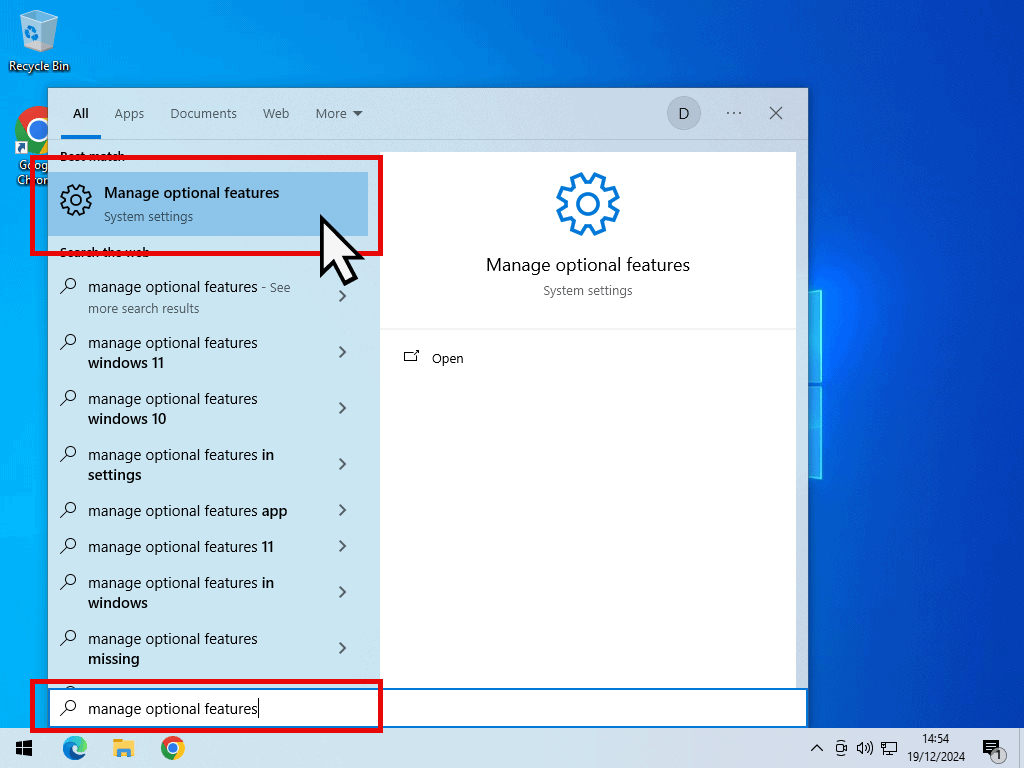
Click the Start button and type manage optional features into the search bar.
Click Manage Optional Features (System Settings) when it appears in the results.
Step 2: Add Windows Fax and Scan
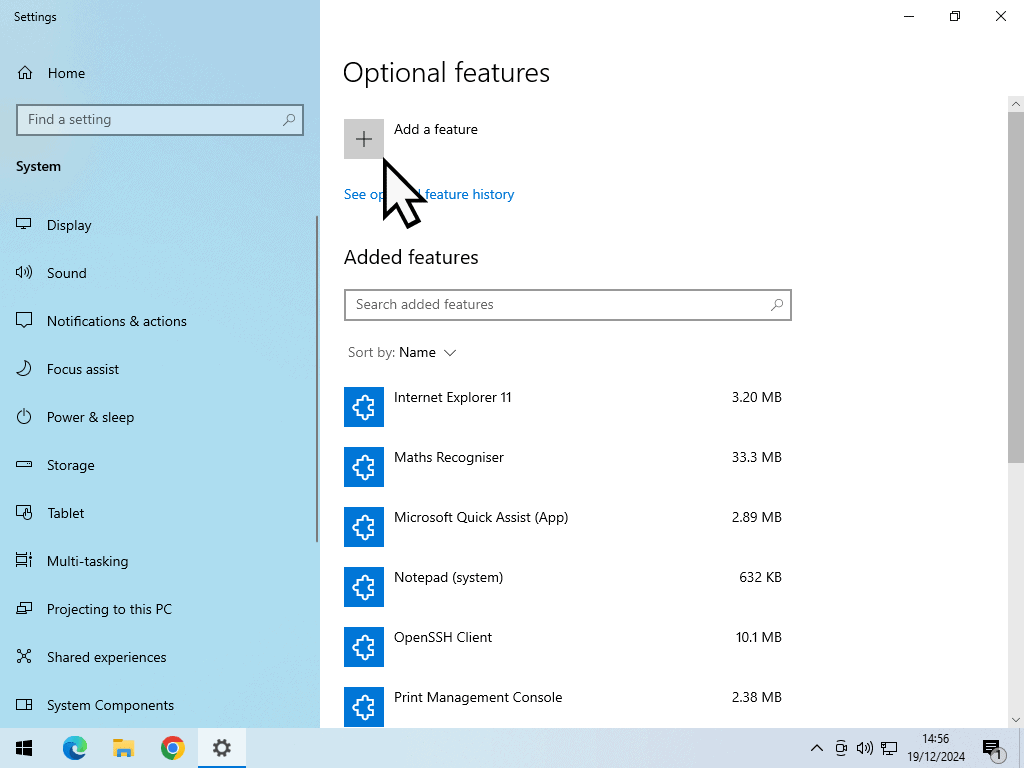
On the Optional Features page you’ll see a list of programs already installed on your PC. To add Windows Fax and Scan, click the Add a Feature button at the top of the page.
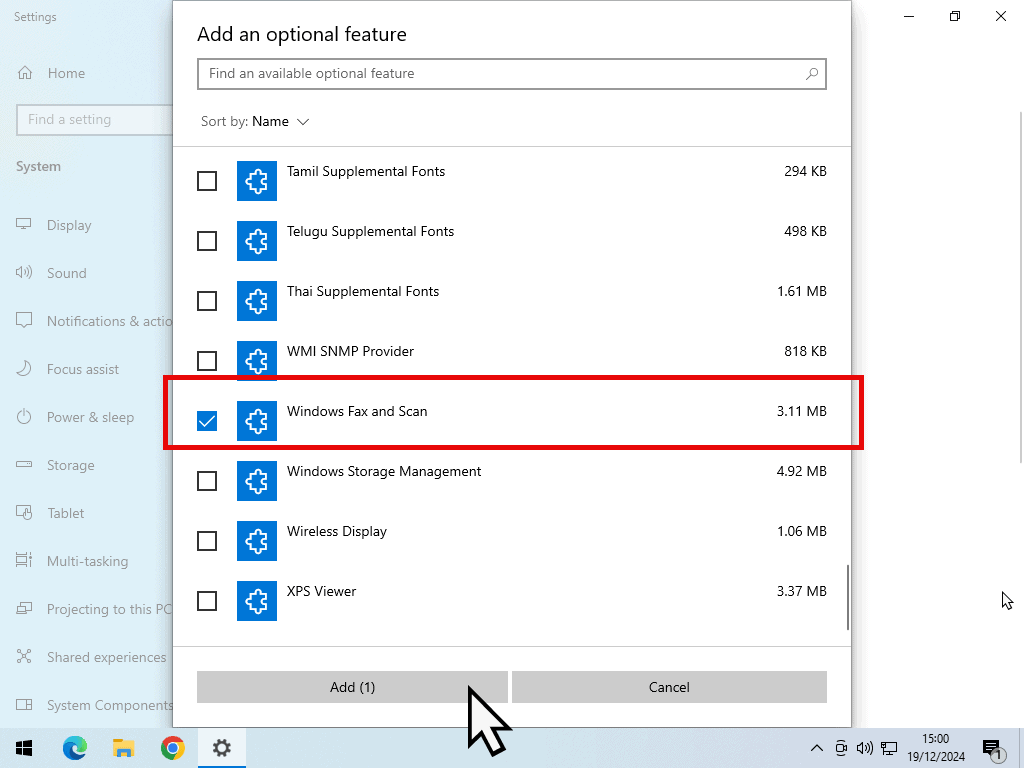
Scroll down the list of available features until you find Windows Fax and Scan. Tick it and then click the Add button.
Windows will download and install the app — this can take a minute or two. You may be asked to restart your PC to finish the installation.
Step 3: Find It in the Start Menu
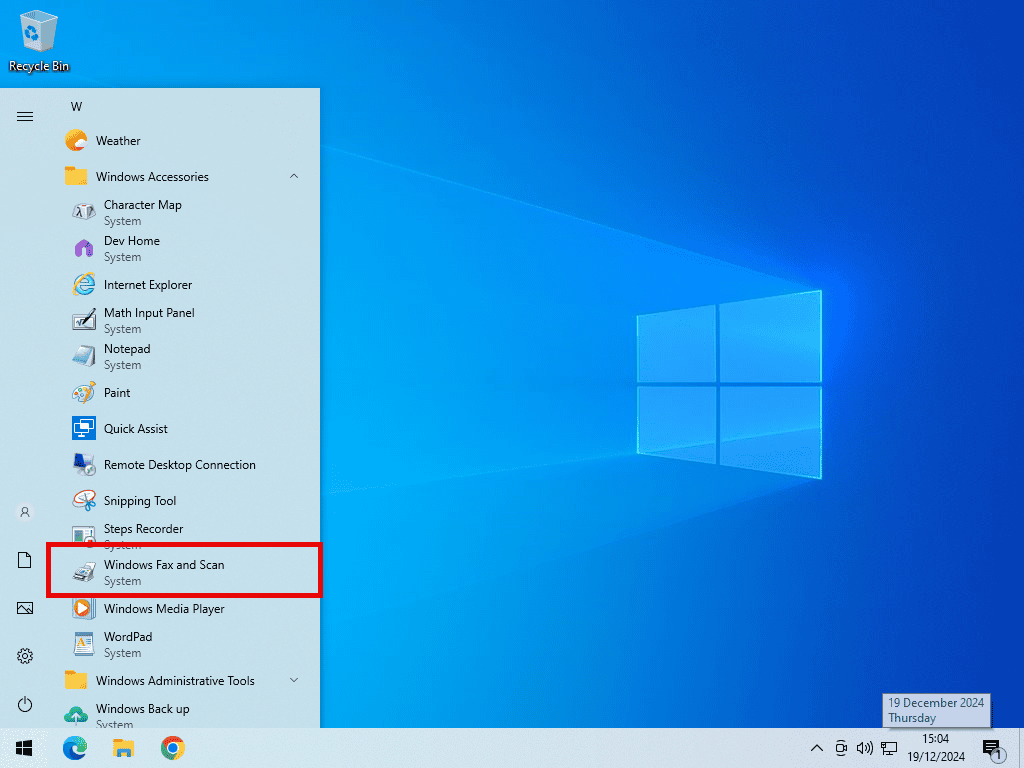
After installation (and restarting if prompted), you’ll find Windows Fax and Scan inside the Windows Accessories folder in your Start menu.
You can also search for it by name.
If you plan to use it regularly, it’s worth right-clicking the icon and pinning it to your Start menu or taskbar so it’s easy to find.
How to Install Windows Fax and Scan in Windows 11
In Windows 11, Windows Fax and Scan is an optional feature, just like in Windows 10. The steps to add it are slightly different depending on your version of Windows 11.
Method 1: Through Settings (Most Windows 11 PCs)
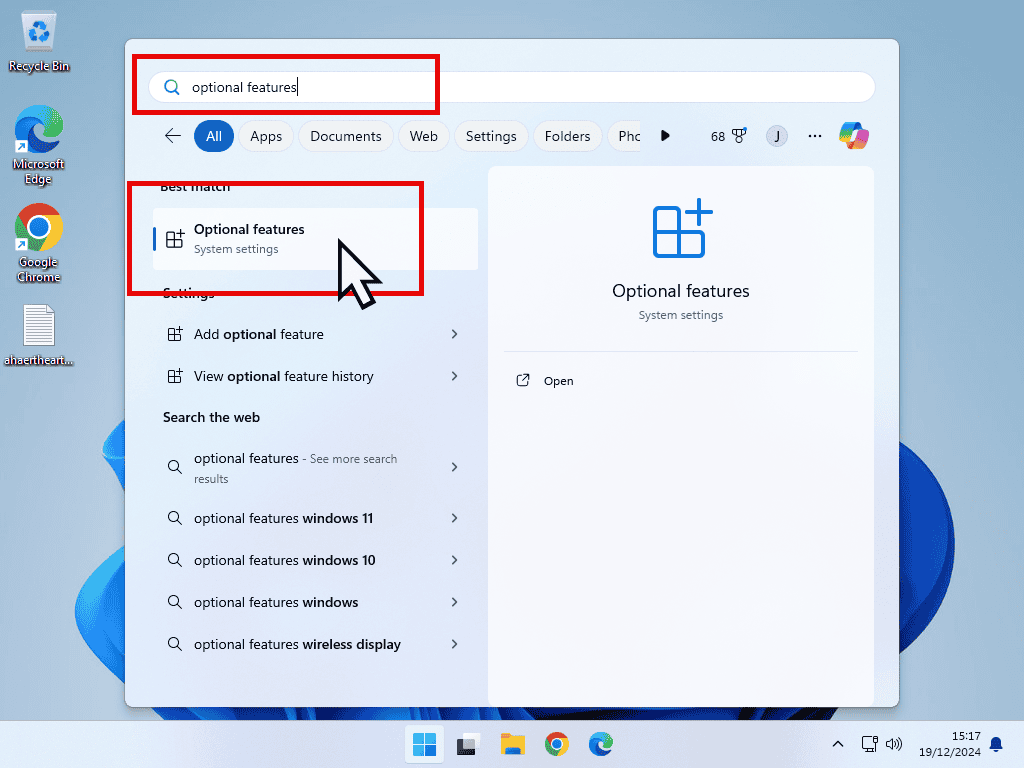
Click the Start button and type optional features. Click the System Component Settings result (or Optional Features, depending on your version).
On the Optional Features page, click View Features (or Add an optional feature depending on your Windows 11 version).
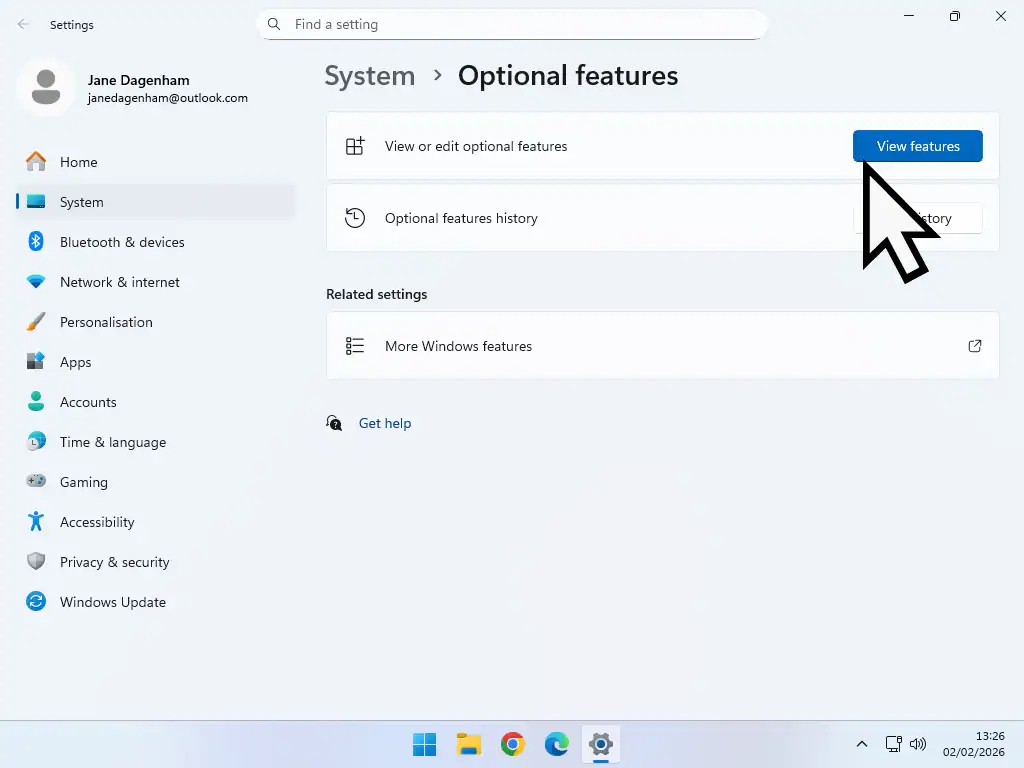
A search box and a list of available features will appear.
Either scroll down to find Windows Fax and Scan, or type “fax” in the search box to find it quickly.
Select it, click Next, and then click Add on the confirmation screen.
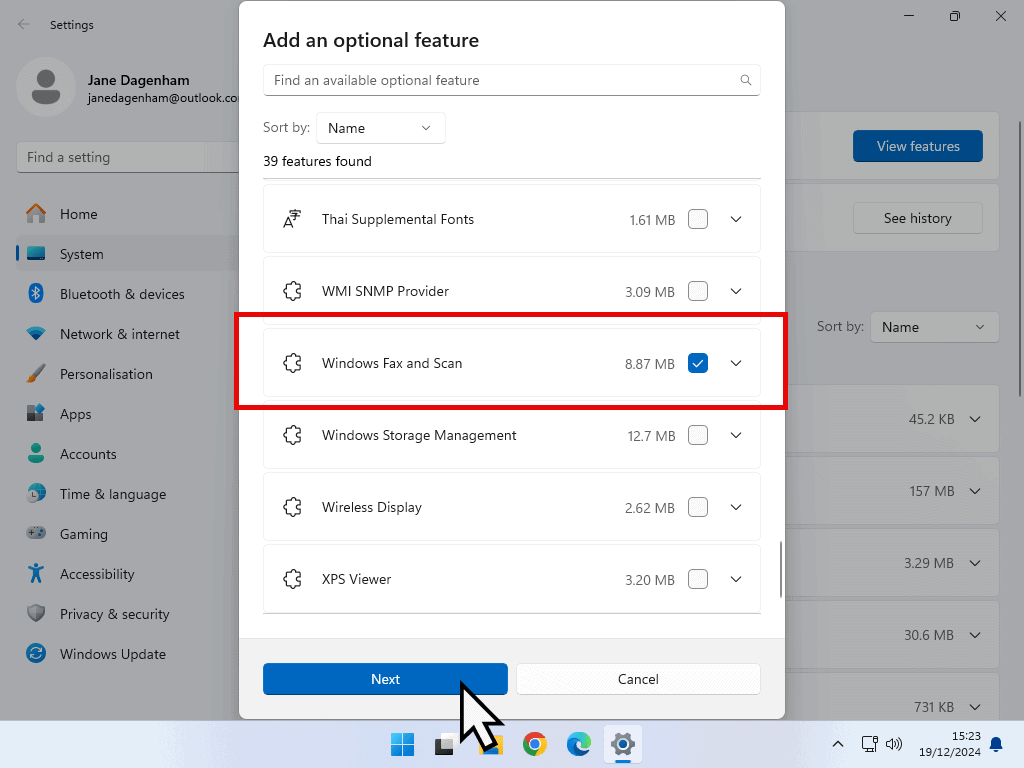
A progress bar will show the download and installation. It can take a few minutes. You may need to restart your PC before the app shows up.
Once installed, find it by searching for “Fax and Scan” in the Start menu.
Method 2: Using PowerShell (If It Doesn’t Appear in Optional Features)
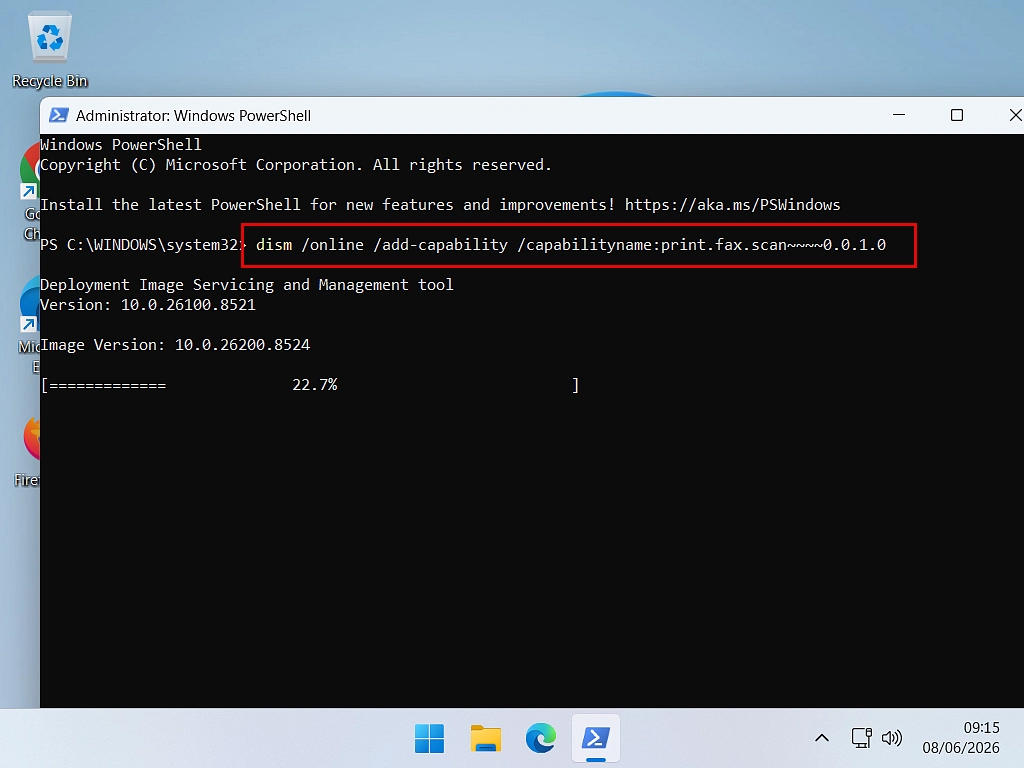
Some Windows 11 configurations — particularly on newer builds or certain editions — don’t show Windows Fax and Scan in the Optional Features list. If that’s the case, you can install it using PowerShell:
- Click the Start button and search for PowerShell
- Right-click PowerShell and select Run as administrator
- Type (or copy and paste) the following command and press Enter:
Dism /Online /Add-Capability /CapabilityName:print.Fax.Scan~~~~0.0.1.0Windows will download and install the feature. It can take some time to complete, you’ll see a percentage progress bar. It may stall, mine stopped at 37% for quite a while. Just leave it running and it’ll get going again.
Restart your PC when it finishes.
How to Use Windows Fax and Scan to Scan a Document
Once Windows Fax and Scan is installed and your scanner is plugged in and switched on, here’s how to scan a document:
- Open Windows Fax and Scan from the Start menu
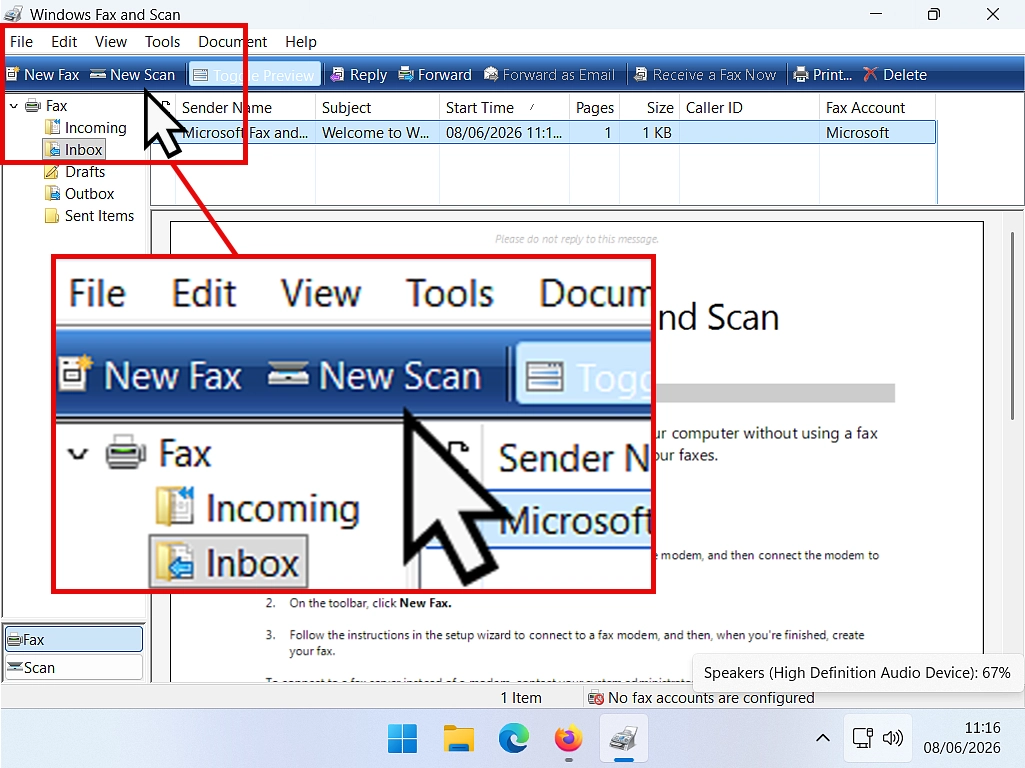
- Click New Scan in the toolbar at the top left. Be careful because New Scan is right next to New Fax. Make sure that you click on New Scan.
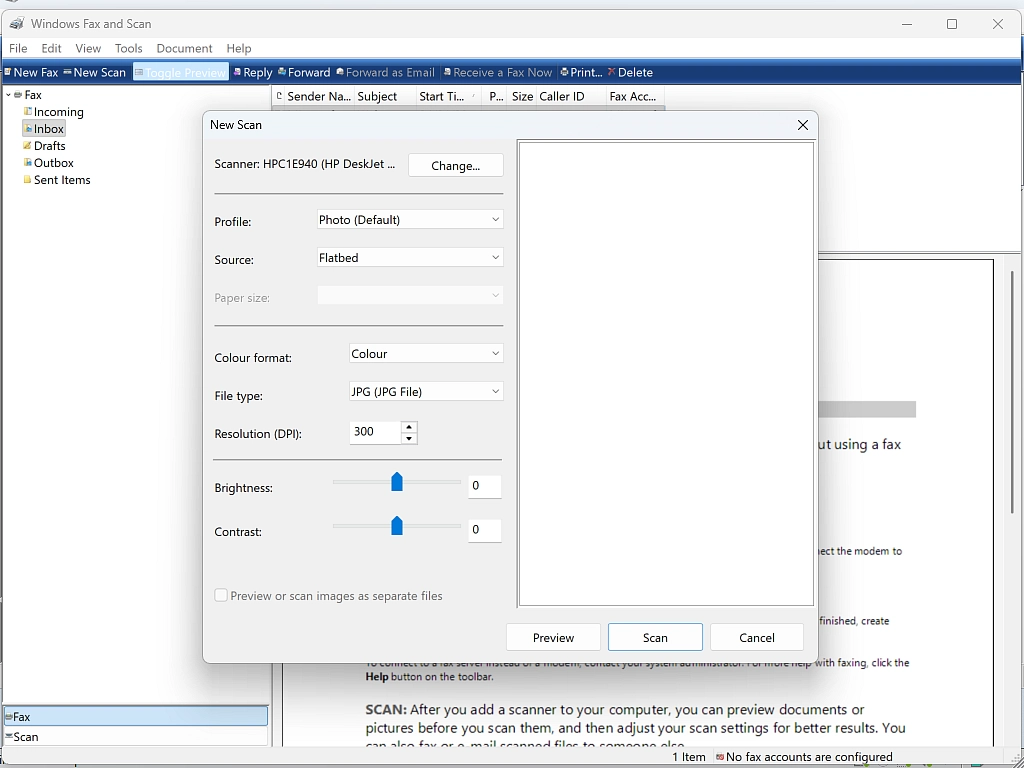
- A New Scan window will open. If you have more than one scanner connected, click Change to select the right one
- Choose a Profile — either Documents for text-heavy pages or Photo for images
- Set your colour format (Colour, Greyscale, or Black and white) and file type (JPEG, PNG, TIFF, or BMP)
- For the resolution, 300 DPI is a good setting for most documents. Use 600 DPI for small text or images you might want to zoom in on
- Click Preview to check how the scan will look
- Click Scan when you’re ready
Your scan will appear in the main Windows Fax and Scan window and will automatically be saved to your Scanned Documents folder, which you can find in your Documents library.
How to Email a Scan Directly From the App
One handy feature that the newer Windows Scan app doesn’t have is the ability to email a scanned file from directly within the app. In order to make use of this feature you’ll need to be using an email client app (such as Outlook, Thunderbird or eM Client), rather than webmail.
- After scanning, select the scan in the main list
- Click the Forward as E-mail button in the toolbar
- Your default email app will open with the scan already attached
How to Save a Scan as PDF Using Windows Fax and Scan
One limitation of Windows Fax and Scan is that it doesn’t have a built-in option to save scans as PDF files — it can only save as JPEG, PNG, TIFF, or BMP. However, there is a simple workaround using a free tool that’s already built into Windows called Microsoft Print to PDF.
Although it sounds like you’re going to print the file, it actually saves it. Here’s how to scan to PDF:
- Scan your document as normal using Windows Fax and Scan
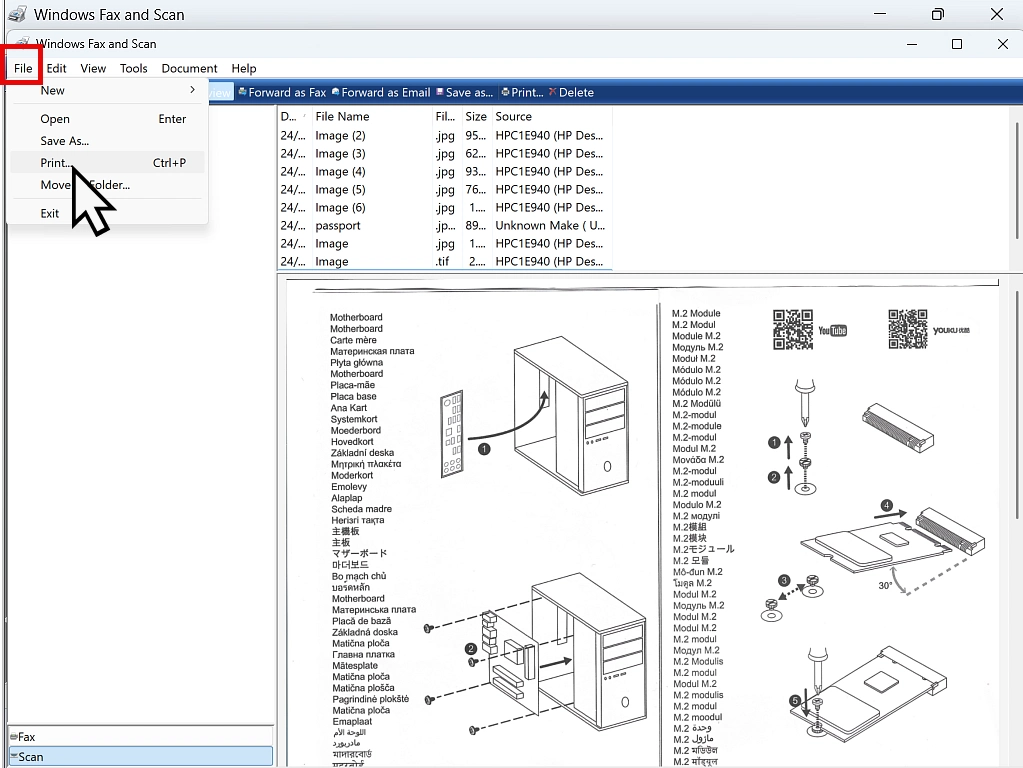
- Once the scan appears in the main list, select it
- Click File in the top menu, then click Print (or press Ctrl + P)
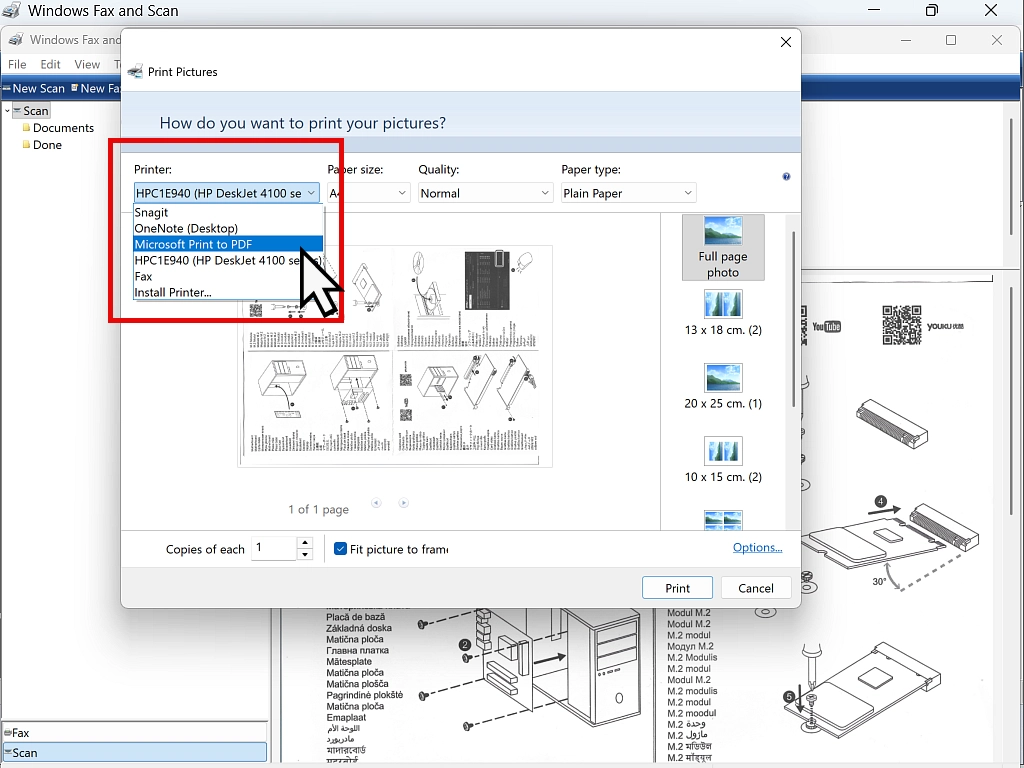
- In the printer list, select Microsoft Print to PDF
- Click Print
- Choose where to save the file, give it a name, and click Save
Your scanned document is now saved as a PDF file. If you scan a lot of documents to PDF, the newer Windows Scan app (free from the Microsoft Store) saves scans directly as PDFs without the extra steps.
Windows Fax and Scan Troubleshooting
Although Fax and Scan is fairly robust and generally just works there are a few issues that you might run into.
Windows Fax and Scan Not Showing in Optional Features on Windows 11
This is one of the most common questions about this app. On some Windows 11 builds — especially after the 24H2 update — the feature may not appear in the standard Optional Features list. Try the PowerShell method described in the installation section above, which works even when the Settings route doesn’t.
Scanner Not Being Detected
If Windows Fax and Scan opens but doesn’t find your scanner:
- Make sure the scanner is switched on and properly connected (by USB cable or over your Wi-Fi network)
- Check that your scanner’s drivers are installed. Visit the manufacturer’s website (HP, Canon, Epson, Brother, etc.) and download the latest drivers for your model. Windows often installs just the printer drivers for multi function devices, so double check that you’ve got the full manufacturers drivers.
- Try clicking Change in the New Scan window to manually select your scanner from the list
“Couldn’t Add” Error When Installing
If you see a “couldn’t add” error when trying to install Windows Fax and Scan through Optional Features, try the PowerShell method in Method 2 above. Make sure you run PowerShell as an administrator.
Frequently Asked Questions
Yes. Windows Fax and Scan is completely free. It’s a built-in Windows feature, so there’s no cost to install or use it. You just need to add it through Optional Features in Windows Settings.
Windows 11 doesn’t come with a scanning app pre-installed, but it has two free options you can add. Windows Fax and Scan is available via Optional Features in Settings. The newer Windows Scan app is available for free from the Microsoft Store. Both work with most scanners and multifunction printers.
Not directly — it saves scans as JPEG, PNG, TIFF, or BMP by default. However, you can convert any scan to a PDF by selecting it and printing it to Microsoft Print to PDF, which is a free tool built into Windows. See the section above for step-by-step instructions.
Windows Fax and Scan is the older, classic desktop app. It has more scan settings and lets you email scans directly from the app, but it can’t save to PDF natively. The Windows Scan app is newer and simpler, with a cleaner interface and the ability to save directly to PDF. Neither is better than the other — it depends on what you need.
On Windows 10, find it inside the Windows Accessories folder in the Start menu, or search for “Fax and Scan”. On Windows 11, search for “Fax and Scan” in the Start menu search bar after installation. If it doesn’t appear, try restarting your PC first.
Some Windows 11 versions — particularly the 24H2 update — no longer list Windows Fax and Scan in the Optional Features section of Settings. You can still install it by running PowerShell as administrator and entering the command: Dism /Online /Add-Capability /CapabilityName:print.Fax.Scan~~~~0.0.1.0
Yes, in most cases. Windows downloads the optional feature from Microsoft’s servers during installation, so a working internet connection is needed. The download is small, so it won’t take long on a standard broadband connection.
Summary
Windows Fax and Scan is a built-in application in Windows that offers a free and straightforward way to handle faxing and scanning tasks directly from your computer.
In my humble opinion, it’s better than many of the bundled software that generally comes with a new printer/scanner. It doesn’t require setting up of online accounts just to get it working. Once the printer/scanner drivers are installed, it’ll just work fine.
Related Step by Step Guides
How To Edit A PDF
PDF documents are difficult to make changes to. I’ll show you how you can edit them when you need to.
How to Add, Open, Print and Save Email Attachments
Attachments to emails are often important documents.
How To Setup Your Email Accounts In Outlook For Windows App.
Use the Microsoft built in email client. Add all your email accounts into one easy to use program.
How To Clear The Print Spooler
When your printer suddenly stops printing, it could be an easy fix.
Rename Multiple Files at Once
Got a folder full of photos called IMG_4471.jpg? Windows can rename the lot in one go.
Start with the built-in F2 method, then use PowerRename for photos, folders and file extensions. Both are free.
You can find this and other related step by step guides in – At Home Computer Guides